Understanding the Importance of a Cash-Flow Plan
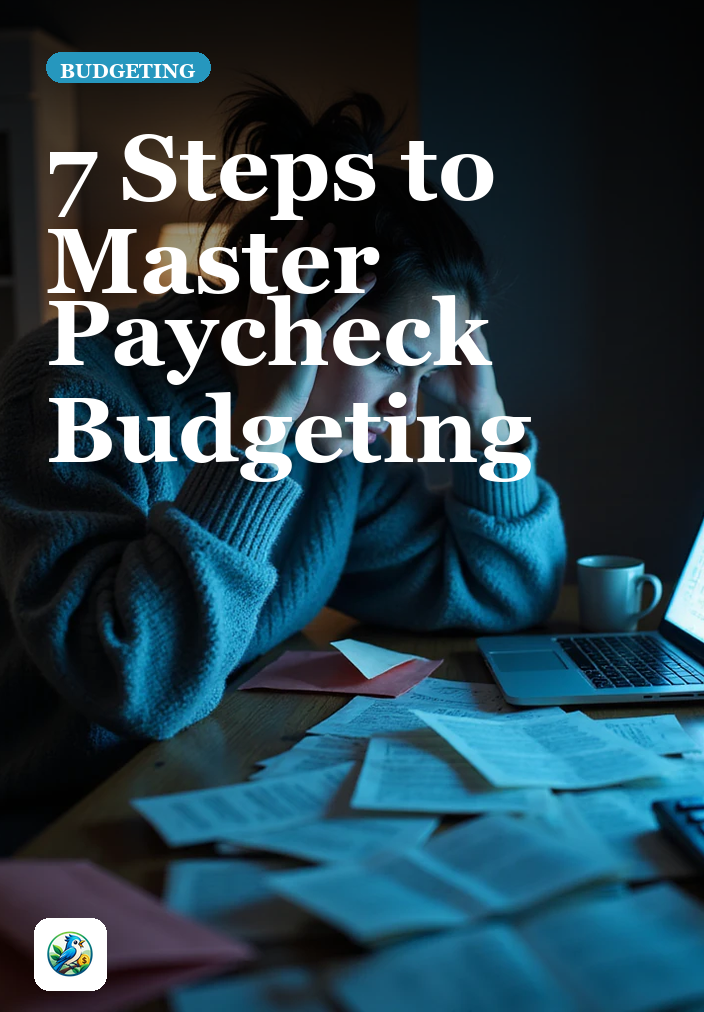
Creating a cash-flow plan after work hours is a practical step towards taking control of your finances. A cash-flow plan outlines your income sources and expenses, ensuring you know where your money is coming from and where it’s going. This clarity helps you manage your finances better, reduce stress, and work towards your financial goals.
Step 1: Assess Your Current Financial Situation
Before you can create an effective cash-flow plan, you need a clear understanding of your current financial situation. Start by gathering all relevant financial documents, including pay stubs, bank statements, bills, and any debt statements.
Identify Your Income
- List your primary income sources, such as your salary, freelance work, or side gigs.
- Estimate your net income. This is your total income minus taxes and any other deductions.
List Your Expenses
- Fixed expenses: These are bills that remain constant each month, like rent or mortgage, utilities, and subscriptions.
- Variable expenses: These fluctuate, including groceries, dining out, entertainment, and shopping.
- Debt payments: Include any monthly repayments for loans or credit cards.
Step 2: Create a Cash-Flow Template
Now that you know your income and expenses, it’s time to create a cash-flow template. You don’t need fancy software; a simple spreadsheet will do. Here’s a basic layout:
- Column 1: Item (e.g., salary, groceries, rent)
- Column 2: Amount (how much you earn or spend)
- Column 3: Category (income, fixed expense, variable expense)
Fill in your income and expenses based on the information you gathered earlier.
Step 3: Analyze Your Cash Flow
Once your template is complete, it’s time to analyze your cash flow. Calculate your total income and total expenses.
Calculate Your Net Cash Flow
Your net cash flow is calculated by subtracting your total expenses from your total income. This will help you understand if you’re spending more than you earn.
- Net Cash Flow = Total Income – Total Expenses
If your net cash flow is positive, you’re in a good position. If it’s negative, you’ll need to adjust your expenses or find ways to increase your income.
Step 4: Identify Areas for Improvement
Once you have a clear picture of your cash flow, look for areas where you can make improvements.
Cutting Expenses
Evaluate your variable expenses and look for areas to cut back. Here are a few suggestions:
- Cancel unused subscriptions and memberships.
- Limit dining out or find cheaper alternatives.
- Shop with a list to avoid impulse purchases.
Increasing Income
Consider ways to boost your income. This could include:
- Picking up extra shifts at work.
- Starting a side hustle based on your skills.
- Offering freelance services in your free time.
Step 5: Set Financial Goals
With a clearer understanding of your cash flow, it’s time to set specific financial goals. These could include:
- Building an emergency fund.
- Paying off high-interest debt.
- Saving for a major purchase, like a home or vacation.
Make your goals SMART: Specific, Measurable, Achievable, Relevant, and Time-bound. For example, “I want to save $1,000 for an emergency fund within six months” is a more actionable goal than simply saying, “I want to save money.”
Step 6: Monitor and Adjust Your Plan Regularly
Your cash-flow plan is not a one-and-done task. Life changes, and so should your plan. Regularly monitor your income and expenses, ideally on a monthly basis. Adjust your budget as needed based on changes in your financial situation or goals.
Set a Monthly Review Date
Choose a day each month to review your cash flow plan. During this review, ask yourself:
- Did I stay within my budget?
- Are there any unexpected expenses I need to account for?
- Am I on track to meet my financial goals?
Step 7: Utilize Tools and Resources
While a simple spreadsheet can work for many, there are tools and apps available that can make budgeting easier. Consider using budgeting apps that track your expenses and income automatically. These can help visualize your spending habits and provide insights into your cash flow.
Next Steps for a Better Cash-Flow Plan
Creating a cash-flow plan after work hours doesn’t have to be overwhelming. Start by assessing your current financial situation, create a simple template, and analyze your cash flow. Once you have a solid understanding, identify areas for improvement, set financial goals, and monitor your plan regularly. With consistent effort and adjustments as needed, you’ll be well on your way to better financial health.