
Understanding Your New Financial Reality
Receiving a pay cut can be a jarring experience, forcing you to confront your financial situation head-on. The immediate impulse might be to panic, but the key to navigating this challenge lies in effective budgeting strategies. Before diving into specific tactics, it’s crucial to assess your new financial reality. This means taking a clear look at your income, expenses, and financial goals.
Calculate Your New Take-Home Pay
Start by calculating your new take-home pay. This is the amount of money you’ll have available after taxes and other deductions. Knowing this figure will help you set a realistic budget. If, for example, you previously earned $4,000 a month and now take home $3,200, that’s a significant difference that needs to be addressed.
List Your Monthly Expenses
Create a comprehensive list of your monthly expenses. Include fixed costs like rent or mortgage, utilities, insurance, groceries, and any debt payments, as well as variable expenses like dining out and entertainment. This will give you a clear picture of where your money is currently going.
Prioritizing Your Expenses
Once you understand your income and expenses, the next step is prioritizing them. Not all expenses carry the same weight when it comes to your financial stability.
Essential vs. Non-Essential Expenses
Classify your expenses into two categories: essential and non-essential.
- Essential Expenses: These include rent, utilities, groceries, transportation, and debt payments.
- Non-Essential Expenses: These could be subscriptions, dining out, entertainment, and luxury items.
Focus on ensuring that your essential expenses are covered first. If your pay cut significantly reduces your income, you may need to make cuts in the non-essential category to balance your budget.
Creating a New Budget
Now that you’ve categorized your expenses, it’s time to create a new budget that reflects your current financial situation. Consider using the 50/30/20 rule as a guideline:
- 50% for Needs: Allocate 50% of your income to essential expenses.
- 30% for Wants: Reserve 30% for discretionary spending.
- 20% for Savings and Debt Repayment: Use this portion to build your savings or pay down debt.
With your new income in mind, adjust these percentages as needed. If your pay cut means you can only allocate 40% to needs and must reduce wants accordingly, that’s perfectly acceptable.
Cutting Costs Effectively
With a budget in place, you can start identifying areas where you can cut costs without sacrificing too much comfort.
Evaluate Subscriptions and Memberships
Take a look at any monthly subscriptions or memberships you have. Are there services you rarely use? Canceling a few can free up cash without a major lifestyle change.
Utility and Grocery Savings
Examine your utility bills for opportunities to cut costs. For example:
- Turn off lights when not in use.
- Unplug electronics that aren’t being used.
- Consider energy-efficient appliances.
For groceries, plan meals around sales and use coupons. Cooking at home instead of dining out can save a significant amount over time.
Use Public Transportation
If feasible, consider using public transportation instead of driving. This can save you money on gas, parking, and maintenance.
Exploring Additional Income Streams
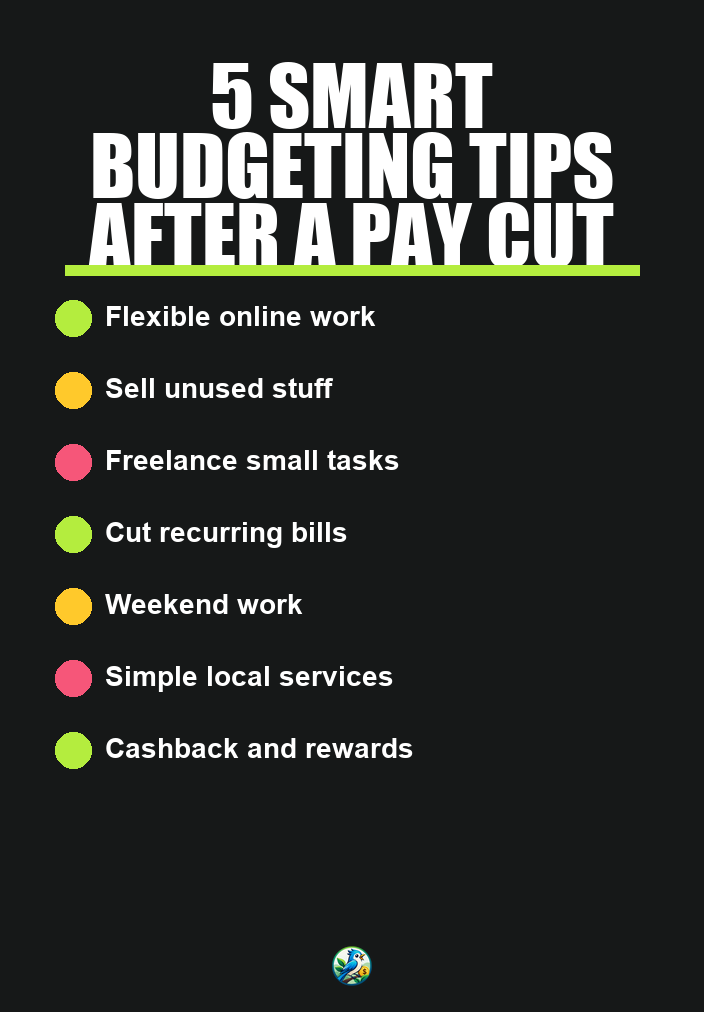
While cutting expenses is important, increasing your income can also help stabilize your financial situation. Look into side gigs or freelance opportunities that align with your skills and interests.
Identify Your Skills
What can you offer that others might need? This could range from graphic design, writing, tutoring, or even pet sitting. Think about what you enjoy doing and how you might monetize it.
Flexible Work Options
Consider remote or flexible work options that allow you to earn extra income on your own schedule. Many platforms connect freelancers with clients looking for specific skills.
Managing Debt During a Pay Cut
If you have existing debt, a pay cut can make repayment challenging. However, there are strategies to manage your debt effectively.
Communicate with Creditors
If you’re struggling to make payments, reach out to your creditors. Many companies offer hardship programs or may be willing to work with you to create a more manageable payment plan.
Consider Debt Consolidation
If you have multiple debts, consolidating them into a single loan with a lower interest rate can reduce your monthly payments. However, ensure you understand the terms and potential fees associated with this option.
Building an Emergency Fund
Even when money is tight, it’s important to prioritize building an emergency fund. This fund can be a lifesaver when unexpected expenses arise.
Start Small
Begin by setting aside a small amount each month. Even $25 can add up over time. As you adjust your budget, look for opportunities to increase this amount.
Automate Savings
Consider setting up automatic transfers to your savings account. This way, you’re consistently saving without having to think about it.
Next Steps: Take Control of Your Finances
Facing a pay cut can feel overwhelming, but with the right budgeting strategies, you can take control of your financial situation. Start by assessing your new income and expenses, prioritize essential costs, and create a practical budget. Look for ways to cut costs, explore additional income opportunities, and manage your debt effectively.
Take these steps one at a time, and remember that every small change adds up. By staying proactive and flexible, you can navigate this challenging period and build a more secure financial future.



















