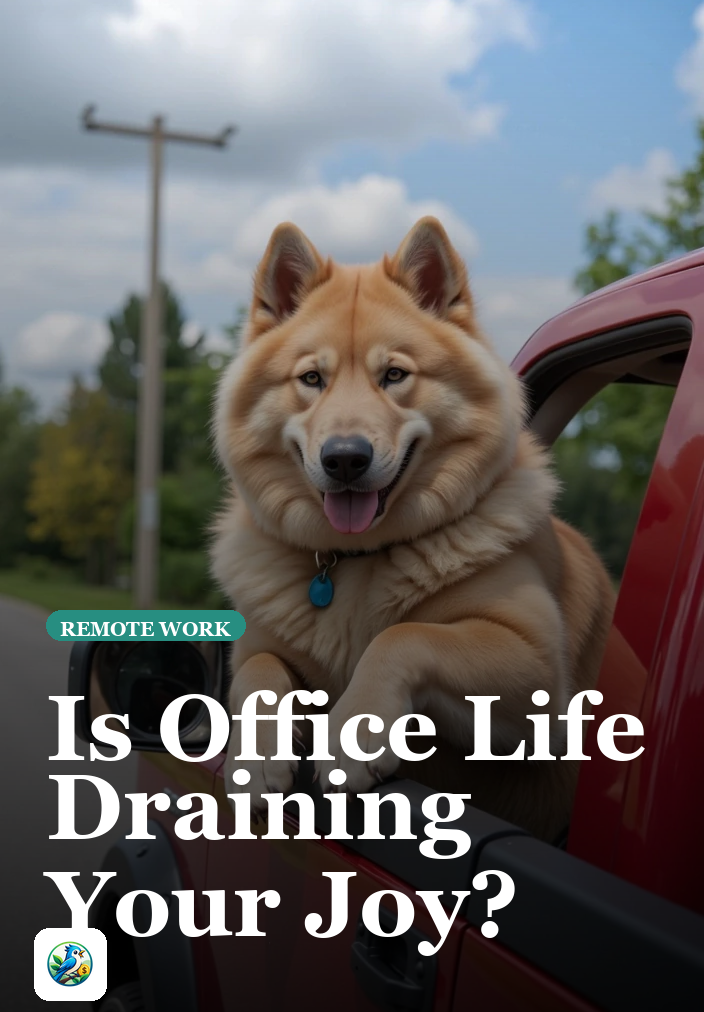
Understanding Work-Life Balance in Remote Jobs vs. Traditional Office Roles
When it comes to achieving a satisfying work-life balance, the debate between full-time remote jobs and traditional office roles is crucial. Both options have their unique pros and cons, and understanding these can help you make informed decisions about your career path. So, which type of job offers better work-life balance? Generally, remote work tends to provide more flexibility and autonomy, making it easier for many to manage their personal and professional lives effectively. However, it’s not without its challenges. Let’s dive deeper into the specifics.
The Flexibility of Remote Work
One of the standout benefits of remote jobs is flexibility. Here’s how it often translates into better work-life balance:
- Customizable Schedules: Many remote positions allow you to set your hours. This means if you’re more productive in the mornings, you can start early and finish early, leaving your afternoons open for personal pursuits.
- No Commute: Eliminating daily commutes can save you hours each week. This time can be redirected towards family, hobbies, or even exercise, all of which contribute to a healthier work-life balance.
- Location Independence: Remote work allows you to choose your workspace, whether it’s your home, a café, or even a different city. This can reduce stress and improve general well-being.
The Structure of Traditional Office Roles
Traditional office jobs come with their own set of advantages, particularly when it comes to structure:
- Defined Work Hours: For some, having a clear start and end to the workday can help delineate work and personal time, reducing the risk of burnout.
- Social Interaction: Being in an office provides opportunities for socializing and networking, which can enhance job satisfaction and lead to better collaboration on projects.
- Clearer Boundaries: For individuals who struggle with self-discipline, the separation of home and work environments can help maintain focus during work hours.
Challenges of Remote Work
Despite its benefits, remote work isn’t without its challenges:
- Work-Life Blur: The lack of physical boundaries can make it difficult to “switch off” from work. This could lead to longer hours and increased stress.
- Isolation: Remote workers might miss out on the camaraderie of an office environment, which can lead to feelings of loneliness and disconnection.
- Self-Discipline Required: Remote work requires a high degree of self-motivation and time management skills. Some may find it tough to stay focused without the structure of an office.
Challenges of Traditional Office Roles
Traditional office roles also come with their own set of difficulties:
- Rigid Schedules: Fixed hours can limit your flexibility to manage personal responsibilities, which might lead to stress.
- Commute Stress: Daily travel can consume significant time and energy, contributing to fatigue and reducing the time available for personal activities.
- Office Politics: Navigating workplace dynamics can be draining and impact your overall job satisfaction.
Making the Right Choice for You
Deciding between remote work and traditional office roles ultimately depends on your personal preferences and circumstances. Here are some criteria to help you make your decision:
- Evaluate Your Work Style: Are you self-motivated, or do you thrive in a structured environment? Understanding your work style can guide you toward the right choice.
- Consider Your Personal Life: Do you have caregiving responsibilities or hobbies that require flexible scheduling? Remote work might suit you better.
- Assess Your Career Goals: Think about networking opportunities and career advancement. If you value in-person connections, a traditional office role may be more beneficial.
- Look at Financial Implications: Remote work might help you save on commuting costs and daily expenses, while office roles often come with additional benefits like health insurance and retirement plans.
Practical Steps to Enhance Work-Life Balance
Regardless of your job type, there are practical steps you can take to enhance your work-life balance:
- Set Clear Boundaries: Whether you work remotely or in an office, communicate your availability to colleagues and family members.
- Prioritize Self-Care: Make time for physical activity, hobbies, and relaxation. This is essential for maintaining mental health.
- Utilize Technology Wisely: Use tools like calendars and project management apps to stay organized and manage your time effectively.
- Seek Support: Don’t hesitate to reach out to colleagues or supervisors if you’re feeling overwhelmed. Open communication can lead to solutions.
Next Steps: Finding Your Balance
In the end, achieving a better work-life balance is a personal journey. Take the time to reflect on what works best for you based on your lifestyle, career goals, and personal preferences. Consider exploring remote work opportunities if you value flexibility, or seek out office roles that promote a healthier work environment. Whatever path you choose, remember that it’s about finding a balance that allows you to thrive both professionally and personally.