Understanding Convenience Spending
Convenience spending often creeps into our lives without us even realizing it. It’s that extra coffee on the way to work, the meal delivery service for a quick dinner, or the subscription for streaming services we barely use. While these purchases can make life easier, they can also drain your finances. The good news? You can reduce this spending without sacrificing your time or lifestyle.
Identify Your Convenience Spending Triggers
The first step in reducing convenience spending is to identify the triggers that lead to these purchases. Take a week to track your spending habits. Keep a journal or use a budgeting app to note every time you make a convenience purchase. After a week, review your notes to identify patterns. Do you tend to buy lunch out on busy days? Do you splurge on quick snacks during work hours?
Common Triggers to Look For
- Time constraints: Rushing to work or managing a busy schedule often leads to impulsive purchases.
- Emotional spending: Stress or boredom can drive you to buy quick comforts.
- Social influences: Going out with friends may push you to spend on convenience items.
Set Clear Priorities
Once you’ve identified your spending triggers, it’s time to set clear priorities. Ask yourself what truly adds value to your life. Is your daily coffee a must-have for your morning routine, or is it a habit you can live without? By distinguishing between what you need and what you want, you can make more informed decisions about your spending.
Make a List of Essentials
Create a list of essentials that you can’t live without, and compare it to your current spending habits. This exercise helps clarify where you might be overspending on convenience items that don’t contribute significantly to your happiness or productivity.
Implement Smart Substitutions
Reducing convenience spending doesn’t mean you have to give up your favorite luxuries entirely. Instead, consider smart substitutions that fit your lifestyle while saving you money. Here are some practical examples:
Food and Drink
- Homemade Coffee: Invest in a quality coffee maker. Brewing at home can save you significant amounts over the year.
- Meal Prep: Dedicate a few hours on weekends to prepare meals for the week. This can help you avoid the temptation of takeout.
- Pack Snacks: Instead of buying snacks at work, bring your own. Nuts, fruits, or homemade granola bars are great options.
Transportation
- Public Transport: If feasible, consider using public transportation instead of driving or rideshare services. This can save money on gas and parking.
- Carpool: Sharing rides with coworkers can cut down on fuel costs and is often more enjoyable.
Entertainment
- Home Movie Nights: Instead of going out to the movies, host a movie night at home. All you need are some snacks and a good film.
- Free Local Events: Look for free events in your community. Concerts, fairs, and art shows can provide entertainment without the cost.
Change Your Mindset About Time
Many people equate convenience spending with saving time. However, shifting your mindset about time can lead to more mindful spending. Consider the value of your time: is it worth spending $5 on coffee every morning, or would you rather invest that money in something more meaningful?
Time Management Strategies
- Batch Tasks: Group similar tasks together to save time. For example, if you run errands, try to do them all in one trip.
- Use a Calendar: Plan your week in advance. This can help you allocate time for meal prep, workouts, or relaxation without resorting to convenience spending.
Automate Your Savings
One effective way to combat convenience spending is by automating savings. Set up a direct deposit from your paycheck into a savings account designated for specific goals. When you automate your savings, you’re less likely to dip into those funds for impulsive purchases.
Steps to Automate Savings
- Determine an amount that you can consistently save each paycheck.
- Set up a separate savings account specifically for this purpose.
- Contact your bank or use online banking tools to automate transfers to this account.
Evaluate Subscriptions and Memberships
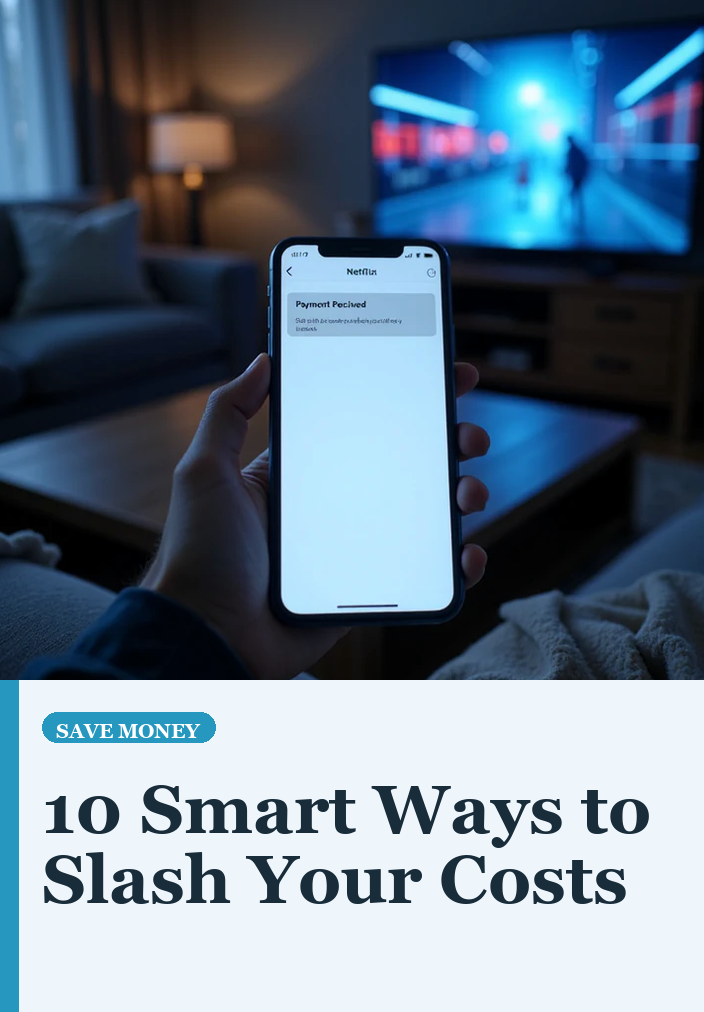
Subscriptions can pile up and contribute significantly to convenience spending. Take an inventory of all your subscriptions, from streaming services to gym memberships. Are you using them? If not, it’s time to consider canceling or switching to more affordable options.
Steps to Evaluate Subscriptions
- List all subscriptions and memberships.
- Check usage frequency over the last month.
- Cancel any that aren’t providing value or explore cheaper alternatives.
Next Steps for Reducing Convenience Spending
Reducing convenience spending is a practical way to improve your financial situation without drastically altering your lifestyle. Start by tracking your spending, setting priorities, and implementing smart substitutions. Remember, it’s about finding a balance that works for you. You can enjoy the benefits of convenience without the financial strain.
Take the first step today by tracking your spending habits for one week. Identify your triggers and make a conscious decision to substitute one convenience item with a more budget-friendly option. Small changes can lead to big savings over time.