
Understanding Your Debt Landscape
Before diving into organizing your multiple debts, it’s crucial to understand what kind of debts you have. This will help you create a clear picture of your financial situation and determine the best way to tackle your debts after work hours.
Types of Debt
Debts typically fall into two categories: secured and unsecured. Knowing the difference can guide your approach.
- Secured Debt: This type of debt is backed by collateral, meaning if you fail to repay, the lender can take the asset. Common examples include mortgages and car loans.
- Unsecured Debt: These debts are not tied to any specific asset. Credit cards, personal loans, and medical bills fall into this category. They often come with higher interest rates due to the increased risk for lenders.
Gathering Your Financial Information
Once you know the types of debt you have, the next step is to gather all the necessary financial information. This includes:
- The total amount owed on each debt.
- The interest rates associated with each debt.
- The minimum monthly payments required for each debt.
- The due dates for each payment.
Consider creating a simple spreadsheet or a physical list to organize this information. This will serve as your roadmap for managing your debts.
Choosing an Organizing Method
There are several methods to organize and prioritize your debts. Two popular strategies are the Debt Snowball Method and the Debt Avalanche Method.
The Debt Snowball Method
This approach focuses on paying off your smallest debts first. Here’s how it works:
- List your debts from smallest to largest.
- Make minimum payments on all debts except the smallest one.
- Put any extra money towards the smallest debt until it is paid off.
- Move on to the next smallest debt and repeat the process.
This method can provide quick wins, boosting your motivation as you eliminate debts.
The Debt Avalanche Method
If you’re more focused on minimizing interest payments, the Debt Avalanche Method may be better for you:
- List your debts from highest to lowest interest rate.
- Make minimum payments on all debts except the one with the highest interest.
- Focus any extra payments on the debt with the highest interest rate until it is paid off.
- Move on to the next highest interest debt and repeat.
This method can save you more money in the long run, although it may take longer to see results.
Creating a Payment Plan
Now that you’ve chosen a method, it’s time to create a payment plan. This plan should fit into your overall budget and consider your monthly income and expenses.
Steps to Create Your Payment Plan
- Review your monthly income and expenses to identify how much you can allocate towards debt repayment.
- Decide on a specific amount to pay towards the prioritized debt each month.
- Set reminders for payment due dates to avoid late fees.
- Track your progress regularly—consider a weekly or monthly check-in to see how you’re doing.
Finding Extra Money for Debt Payments
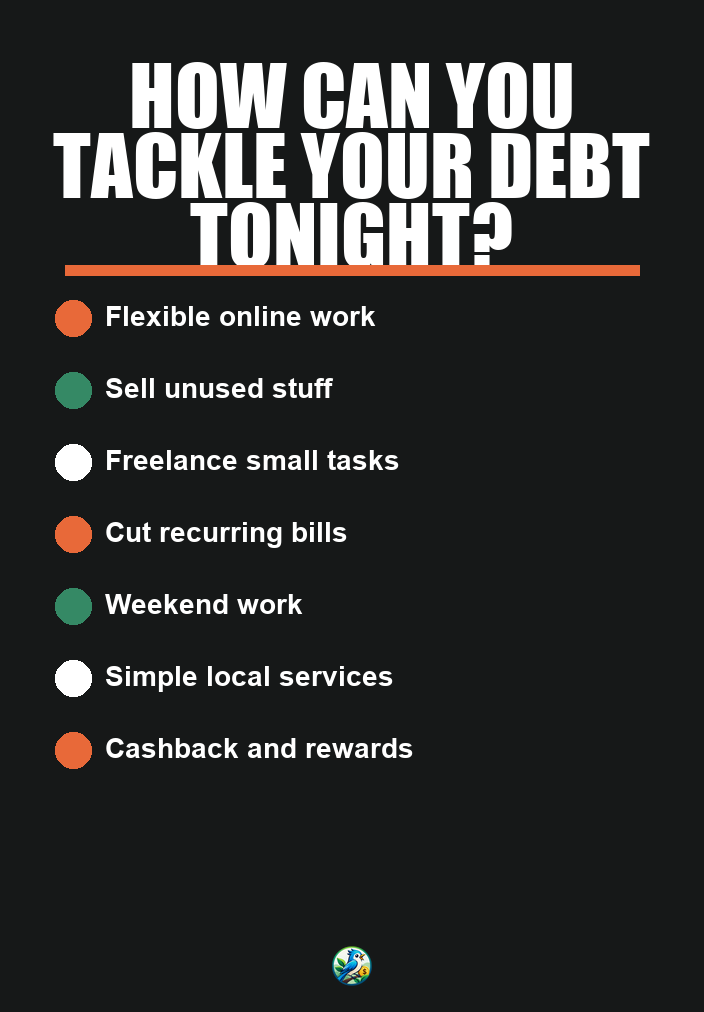
Sometimes, your regular income isn’t enough to make a dent in your debt. Here are some practical ways to find extra money after work hours:
- Side Gigs: Consider freelance work or part-time jobs that fit into your schedule.
- Sell Unused Items: Look around your home for items you no longer need and sell them online or at a garage sale.
- Reduce Unnecessary Expenses: Review your monthly budget for areas where you can cut back, such as dining out or subscription services.
Staying Motivated and Adjusting Your Plan
Managing multiple debts can be overwhelming, but staying motivated is key. Here are some ways to keep your spirits up:
- Set small, achievable goals, like paying off a specific debt by a certain date.
- Reward yourself for milestones—after paying off a debt, treat yourself to something small (but within your budget).
- Join support groups or online forums where you can share your experiences and get encouragement from others in similar situations.
Also, be ready to adjust your plan if circumstances change. If you find that a particular strategy isn’t working, don’t hesitate to switch methods or re-evaluate your budget.
Next Steps to Take Control of Your Debt
Organizing your multiple debts is a crucial step toward financial freedom. To summarize your action plan:
- Identify the types of debt and gather necessary financial information.
- Choose between the Debt Snowball or Debt Avalanche method based on your preferences.
- Create a realistic payment plan that fits your budget.
- Find additional income sources to speed up repayment.
- Stay motivated and be open to adjusting your strategy as needed.
By taking these steps, you’ll be well on your way to managing your debts effectively and improving your financial situation. Remember, it’s a journey, and every small step counts.



















