Understanding Your Transportation Costs
Transportation costs can significantly eat into your budget, especially if you commute to work daily. Whether you’re driving, taking public transit, or using rideshare services, understanding where your money goes is the first step in cutting those costs. Begin by tracking your transportation expenses for a month. Include fuel, maintenance, parking fees, public transit fares, and any other related costs. This snapshot will help you identify areas where you can cut back.
Assessing Your Commute Options
Once you have a clear picture of your transportation costs, consider the various commuting options available to you. Each option has its pros and cons, so weigh them carefully:
- Driving: Convenient but often expensive due to gas, maintenance, and parking.
- Public Transit: Generally cheaper but may involve longer travel times and schedules that don’t always align with your needs.
- Carpooling: Splitting costs with others reduces expenses, but requires coordinating with others’ schedules.
- Biking or Walking: No fuel costs and great for health, but only feasible if you live close to work.
- Remote Work: If possible, reducing the number of days you commute can save significant money.
Smart Strategies to Save on Driving Costs
If driving is your primary mode of transportation, consider these strategies to cut costs:
1. Carpool with Colleagues
Find colleagues who live near you and coordinate rides. Sharing the ride means splitting fuel costs and reducing wear and tear on your vehicle.
2. Maintain Your Vehicle
Regular maintenance helps your car run efficiently, which can save you money on gas and repairs. Simple tasks like checking tire pressure and oil levels can improve fuel efficiency.
3. Use Fuel Efficiently
Adopt fuel-efficient driving habits. Avoid aggressive acceleration and unnecessary idling. Consider using cruise control on highways to maintain a steady speed.
4. Shop for the Best Insurance Rates
Review your car insurance annually. Shopping around for better rates can lead to significant savings. Look for discounts based on safe driving records or bundling policies.
Exploring Public Transportation Options
If public transit is available, it can be a cost-effective alternative. Here are ways to maximize savings:
1. Use Monthly Passes or Subscriptions
Many transit systems offer monthly passes that reduce the cost per trip. If you use public transit frequently, this could lead to substantial savings.
2. Schedule Your Commute Wisely
Peak hours often come with higher fares and crowded conditions. If your work schedule allows, consider traveling during off-peak times to avoid these issues.
3. Plan Your Route
Use apps or websites to find the fastest and most efficient routes. Knowing when and where to transfer can save time and money.
Leveraging Alternative Transportation Methods
Exploring other methods of transportation can yield substantial savings. Here are some alternatives:
1. Biking
If your commute is manageable by bike, this option can save you fuel and parking costs while promoting fitness. Consider investing in a good-quality bike and necessary safety gear.
2. Walking
For those living close to work, walking is a cost-free option that benefits both your wallet and your health. Incorporate walking into your daily routine whenever possible.
3. Rideshare and Car Rental
When you need a vehicle but don’t want to maintain one, consider rideshare services or short-term car rentals. These options can be cheaper than owning a car, especially for infrequent trips.
Utilizing Technology for Cost Savings
Technology can help streamline your commuting experience and save money. Here are a few tools to consider:
1. Commute Apps
Use apps that help you find the best commuting routes, whether by car, public transit, or biking. These apps can provide real-time updates on traffic and delays.
2. Budgeting Apps
Track your transportation spending using budgeting apps. Recognizing when and where you spend the most can help you make informed decisions to reduce costs.
Creating a Flexible Work Schedule
If your job allows it, consider negotiating a flexible work schedule. Options include:
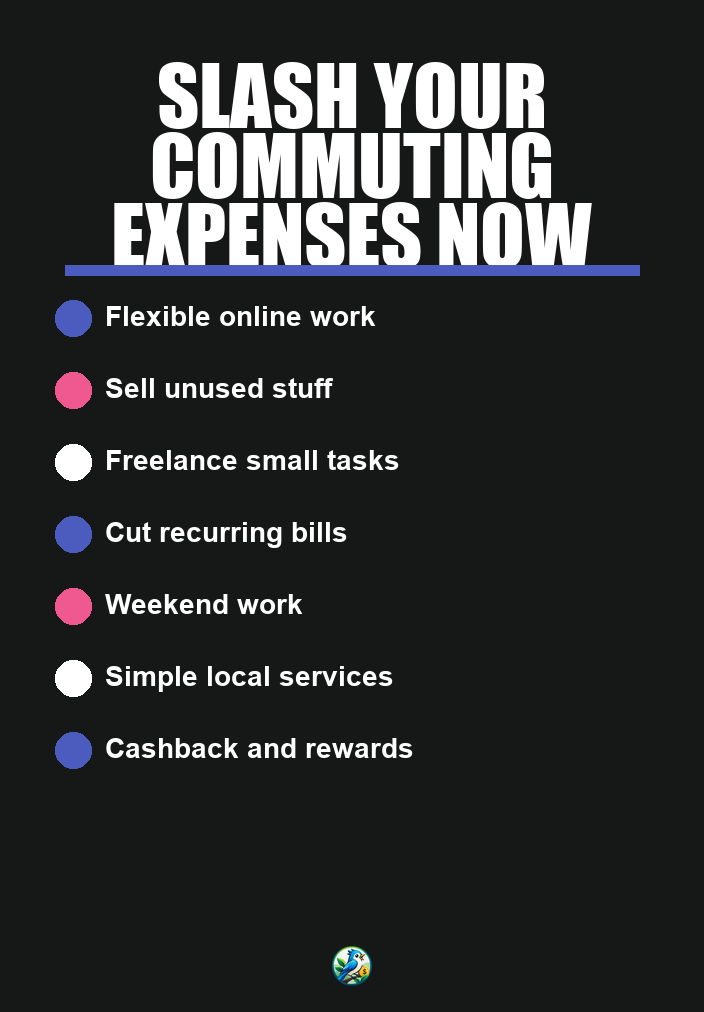
- Working from home a few days a week to eliminate commuting costs entirely.
- Adjusting your hours to avoid peak traffic, thus reducing fuel costs and travel time.
Next Steps for Cutting Transportation Costs
Reducing transportation costs requires a combination of strategies tailored to your individual situation. Start by tracking your expenses to identify areas for improvement. Explore all available commuting options, from carpooling to public transit, and implement smart strategies for driving if necessary. Leverage technology to monitor and manage your spending effectively. Finally, consider negotiating a flexible work schedule if your job permits.
By taking these steps, you can significantly cut down on transportation costs and improve your overall financial situation. Start small, and gradually implement these strategies for a more efficient and economical commute.