Understanding Your Financial Situation
Before diving into the budgeting process, it’s crucial to get a clear picture of your current financial situation. This involves taking stock of your income, expenses, and any debts you may have.
Calculate Your Income
List all sources of income you currently have. This may include:
- Your current job (if you are still employed)
- Freelance work or side gigs
- Unemployment benefits
- Any passive income sources
Be realistic about how much you can expect to earn during your job search. If you’re relying on unemployment benefits, remember that these may not fully cover all your expenses.
Assess Your Expenses
Next, take a detailed look at your monthly expenses. Categorize them into fixed and variable expenses:
- Fixed Expenses: Rent/mortgage, utilities, insurance, loan payments.
- Variable Expenses: Groceries, dining out, entertainment, transportation, and discretionary spending.
Tracking your expenses can be done through budgeting apps or simply using a spreadsheet. The goal is to understand where your money is going.
Creating Your Budget
Once you have a comprehensive understanding of your income and expenses, it’s time to create your budget. This will guide your spending while job hunting.
Choose a Budgeting Method
There are several budgeting methods to consider; choose one that suits your lifestyle:
- The 50/30/20 Rule: Allocate 50% of your income to needs, 30% to wants, and 20% to savings or debt repayment.
- Zero-Based Budget: Every dollar of income is assigned a specific purpose, so your budget totals zero at the end of the month.
- Envelope System: Cash is divided into envelopes for different spending categories to limit overspending.
Adjusting Your Budget for Job Hunting
While job hunting, your income may be inconsistent. Therefore, it’s essential to adjust your budget accordingly:
- Prioritize essential expenses: Focus on covering your needs first.
- Cut non-essential expenses: Reduce discretionary spending to stretch your budget.
- Utilize savings: If possible, dip into savings for necessary expenses, but do so cautiously.
Managing Debt During Your Job Search
If you have debts, managing them becomes even more crucial during a job search. Here are some strategies:
- Contact Creditors: If you anticipate difficulty making payments, reach out to creditors to discuss potential hardship options.
- Pay Minimums: Focus on making at least the minimum payments to avoid late fees and negative impacts on your credit score.
- Consider Debt Prioritization: If you have multiple debts, consider prioritizing those with the highest interest rates.
Finding Additional Income Sources
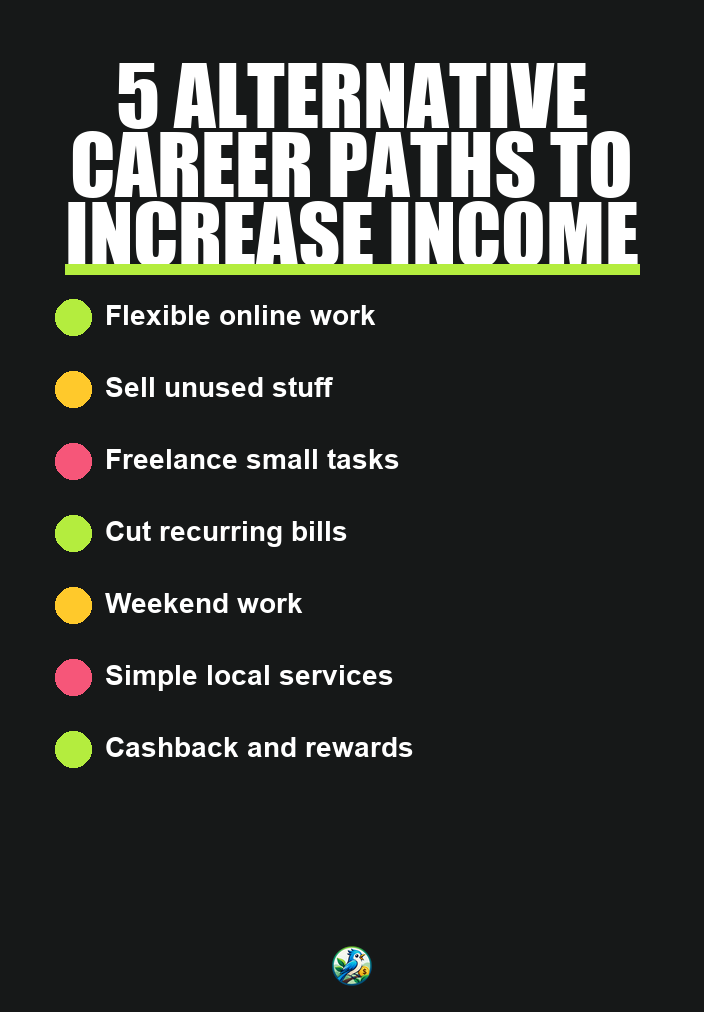
While searching for a full-time job, consider ways to supplement your income:
- Freelancing: Use skills you already have to take on freelance projects.
- Part-Time Jobs: Look for part-time or temporary positions that offer flexible hours.
- Gig Economy Work: Explore opportunities in the gig economy, such as rideshare driving or delivery services.
Staying Motivated and Focused
Job hunting can be a stressful endeavor, and staying motivated is important. Here are a few practical tips:
- Create a Job Search Schedule: Set aside specific hours each day to focus on job applications, networking, and skill development.
- Track Applications: Keep a log of jobs you’ve applied for, including dates and any follow-up actions required.
- Network: Reach out to friends, former colleagues, or industry contacts for potential leads and support.
Next Steps
Building a budget while job hunting may seem daunting, but with careful planning and disciplined execution, it can help you navigate this challenging time more effectively. Start by assessing your financial situation, create a budget that reflects your priorities, and consider ways to supplement your income. Remember to stay proactive and flexible as you search for your next opportunity.