Understanding the Financial Shift After Becoming a Parent
Becoming a new parent is a life-changing experience, filled with both joy and challenges. One of the most significant changes is often in your financial landscape. A monthly budget that once worked seamlessly might now feel like it’s bursting at the seams. New parents frequently encounter budgeting blunders due to a lack of preparation for the expenses associated with a child. Understanding these common pitfalls is the first step in overcoming them.
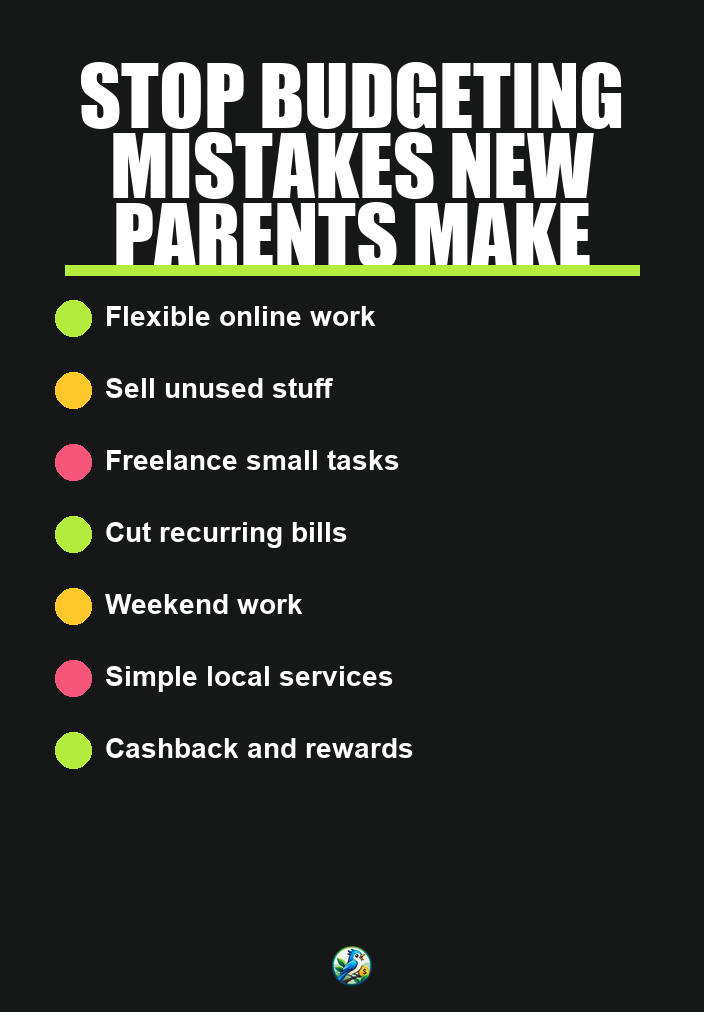
Identifying Common Budgeting Mistakes New Parents Make
Recognizing the common financial missteps can help you avoid them. Here are several key errors to watch out for:
- Underestimating Baby Expenses: Many new parents are surprised at how quickly costs add up. From diapers to baby gear, the expenses can be overwhelming.
- Neglecting to Adjust Existing Budgets: New parents often forget to revisit their existing budget to accommodate new expenses, leading to overspending.
- Ignoring Future Costs: It’s easy to focus on immediate needs, but it’s crucial to consider long-term expenses like childcare, education, and medical costs.
- Overlooking Savings Opportunities: New parents may miss out on benefits or discounts available to families, leading to unnecessary expenses.
Creating a Realistic Budget for Your New Family
To effectively manage your finances as new parents, you need a budget that reflects your new reality. Here’s how to create a practical budget:
- List All Income Sources: Start by documenting all your income, including salaries, side hustles, or any other sources. This will give you a clear picture of what you have to work with.
- Track All Expenses: For at least a month, track all your spending. Categorize expenses into fixed (rent, utilities) and variable (groceries, entertainment) to see where your money goes.
- Factor in Baby-Related Expenses: Create a separate category for baby-related costs. This can include essentials like diapers, wipes, clothing, and formula or breastfeeding supplies.
- Consider Long-Term Financial Goals: Include future expenses in your budget. Think about childcare, education savings, and health insurance increases. Allocate funds for these in your monthly budget.
- Review and Adjust Regularly: Life as a parent can be unpredictable. Make it a habit to review your budget monthly and adjust as needed to accommodate changing circumstances.
Practical Tips for Managing Baby-Related Expenses
Once you have a budget in place, it’s time to manage baby-related expenses more effectively. Here are some practical tips:
1. Prioritize Needs Over Wants
It’s easy to get caught up in the allure of baby gadgets and trendy clothing. Focus on essentials first. Items like diapers, a safe crib, and healthcare supplies are crucial. Avoid unnecessary purchases until you’re more settled financially.
2. Buy Used or Borrow
Children grow quickly, and many baby items are used for a short time. Consider buying gently used clothing and gear or ask friends and family to borrow items. This approach can significantly reduce costs.
3. Take Advantage of Discounts and Coupons
Many retailers offer discounts for new parents. Look for coupons, sign up for loyalty programs, and keep an eye out for sales. Every little bit helps!
4. Create a Meal Plan
Cooking at home is often cheaper than eating out. Create a meal plan that includes easy-to-prepare meals. Batch cooking can also save time and reduce grocery bills.
5. Set Up an Emergency Fund
Life is unpredictable, especially with a new baby. Establish an emergency fund to cover unexpected expenses. Aim for three to six months’ worth of living expenses as a safety net.
Dealing with Existing Debt as New Parents
If you have debt, it can feel daunting with the added financial responsibilities of a new baby. Here’s how to manage it:
- Prioritize High-Interest Debt: Focus on paying down high-interest debts first, as they can quickly spiral out of control.
- Consider Debt Consolidation: If you have multiple debts, consolidating them into one loan with a lower interest rate can simplify payments and reduce costs.
- Communicate with Creditors: If you’re struggling, don’t hesitate to reach out to creditors. They may offer flexible payment options or relief programs.
Utilizing Resources Available to New Parents
Many resources are available to help new parents manage their finances. Here are some to consider:
- Government Assistance Programs: Look into government programs that provide financial assistance for families, such as childcare subsidies or tax credits.
- Community Support Groups: Join local parenting groups where you can share experiences and learn from others about budgeting and saving strategies.
- Financial Education Workshops: Many community organizations offer free workshops on budgeting and financial planning. Take advantage of these resources.
Next Steps to Financial Stability as New Parents
Becoming a parent is a remarkable journey, but it doesn’t have to derail your financial situation. By identifying common budgeting mistakes, creating a realistic family budget, managing baby-related expenses, addressing existing debt, and utilizing available resources, you can take control of your finances.
Start by reviewing your current budget and tracking your expenses. Make adjustments to accommodate new costs and consider your long-term financial goals. Remember, the key is to stay flexible and proactive as your family grows. Financial stability is within reach, and with a little planning and effort, you can navigate this new chapter with confidence.