Understanding the Impact of Overspending on Your Budget
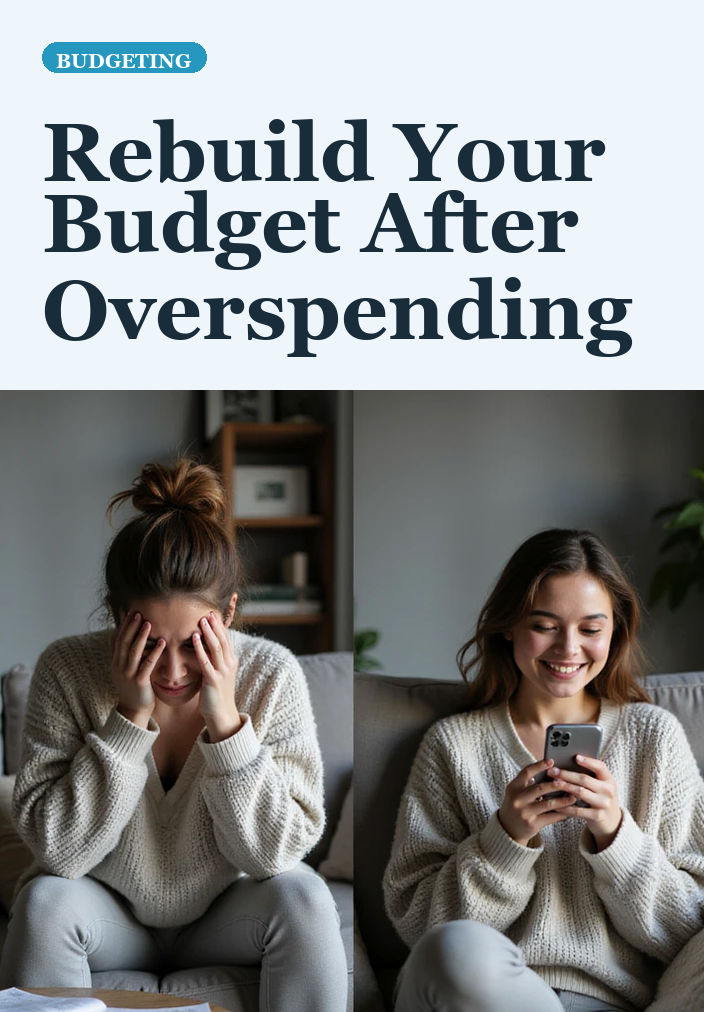
Resetting your budget after overspending isn’t just about putting numbers back into place; it’s about understanding what led you to overspend in the first place. Recognizing the patterns in your spending habits can be the first step toward making lasting changes. Consider this: did you overspend due to impulse purchases, unexpected expenses, or perhaps a lack of awareness of your financial situation?
Before diving into the specifics of resetting your budget, take a moment to reflect on your spending triggers. Identifying these can help you avoid repeating the same mistakes in the future. Whether it’s emotional spending, lifestyle inflation, or simply not tracking your expenses, understanding the root cause is crucial.
Steps to Reset Your Budget After Overspending
Once you’ve acknowledged the reasons behind your overspending, it’s time to take actionable steps to reset your budget. Here’s how to get started:
1. Assess Your Current Financial Situation
Before you can effectively reset your budget, take stock of where you currently stand. Gather your recent bank statements, bills, and any financial documents that reflect your income and expenses.
- Calculate Your Income: Determine your total monthly income, including salary, side gigs, and any other sources.
- List Your Expenses: Break down your monthly expenses into fixed (rent, utilities) and variable (groceries, entertainment).
By having a clear picture, you can better understand how much you have to work with and where adjustments are necessary.
2. Identify Areas of Overspending
Now that you know your financial landscape, it’s time to pinpoint where you went over budget. Look for patterns in your spending that contributed to the overspend.
- Daily Expenses: Did you spend too much on coffee or dining out?
- Subscriptions: Are there services you no longer use but continue paying for?
- Impulse Purchases: Were there unplanned purchases that could have been avoided?
By recognizing these areas, you can make informed decisions on where to cut back moving forward.
3. Set Realistic and Flexible Budget Goals
Next, it’s time to set a budget that reflects both your current reality and future goals. Instead of a rigid budget, consider a flexible one that allows for adjustments as needed.
- Allocate Funds Wisely: Prioritize essential expenses first. Make sure your necessities are covered before allocating money for discretionary spending.
- Implement a Savings Buffer: Set aside a small percentage for unexpected expenses. This can help reduce the likelihood of overspending in the future.
- Use Percentage-Based Budgeting: Allocate a certain percentage of your income to each category (e.g., 50% on needs, 30% on wants, 20% savings/debt repayment).
By setting realistic goals, you make it easier to stick to your budget.
Creating a Tracking System
Once your budget is reset, it’s crucial to have a system in place to track your spending. A tracking system helps you stay accountable and provides insights into your financial habits.
1. Choose Your Method
There are various methods to track your expenses:
- Spreadsheets: Create a simple spreadsheet to log your daily expenses.
- Apps: Utilize budgeting apps that automatically categorize your spending.
- Paper Journal: For those who prefer a tactile approach, a pen and notebook can work wonders.
2. Review Regularly
Make it a habit to review your budget weekly or monthly. This will help you stay on track and identify any spending patterns that need adjustment.
Regular reviews allow you to celebrate small wins, such as sticking to your budget for a month, and make necessary changes if you start veering off course.
Building Better Financial Habits
A budget is more than just numbers; it’s a reflection of your financial habits and priorities. To ensure you don’t fall back into overspending, focus on building better financial habits.
- Practice Mindful Spending: Before making a purchase, ask yourself if it aligns with your budget and goals.
- Establish a 24-Hour Rule: For non-essential purchases, wait 24 hours before buying. This helps curb impulse buys.
- Automate Savings: Set up automatic transfers to your savings account to ensure you’re prioritizing saving before spending.
By cultivating these habits, you’ll not only reset your budget but also create a sustainable financial future.
Next Steps for Financial Improvement
Resetting your budget after overspending is a vital step in improving your financial situation. Here’s a quick checklist of actions to consider moving forward:
- Assess your current financial situation.
- Identify areas where you overspend.
- Set realistic and flexible budget goals.
- Establish a tracking system to monitor your expenses.
- Build better financial habits to sustain your budget.
Taking these steps can help you regain control over your finances and work toward a more stable financial future. Remember, budgeting is an ongoing process, and it’s okay to adjust your plans as your circumstances change. Stay committed, and you will see progress over time.