Understanding the Job Market After Unemployment
Job searching after a period of unemployment can feel daunting, but it’s also a chance to rethink your approach and uncover strategies that can make the process more effective. Many people find themselves struggling to navigate the job market, unsure of how to present themselves or where to focus their efforts. By implementing strategic methods, you can enhance your chances of securing a position that aligns with your skills and financial goals.
Reassess Your Skills and Interests
Before diving into job applications, take a moment to reassess your skills and interests. Often, unemployment can lead to a reevaluation of what you want in a job. Consider these steps:
- Make a Skills Inventory: List out both hard and soft skills. Hard skills might include technical abilities, while soft skills could cover communication, teamwork, and problem-solving.
- Identify Transferable Skills: If you’ve worked in different fields, think about how your skills can apply to various roles. For instance, project management skills are valuable in many industries.
- Consider Your Interests: Reflect on what types of roles excite you. Aligning your job search with your interests can lead to more fulfilling opportunities.
Crafting an Effective Resume
A strong resume is essential for grabbing the attention of hiring managers. When you’re re-entering the job market, consider these tips to enhance your resume:
- Tailor Your Resume: Customize your resume for each application. Highlight experiences and skills that are relevant to the job description.
- Focus on Achievements: Rather than just listing duties, showcase your accomplishments. Use quantifiable results to demonstrate your impact in previous roles.
- Address Employment Gaps: Be honest about your unemployment period. You can mention any relevant activities you engaged in, such as volunteering, freelancing, or taking courses.
Leveraging Networking for Job Opportunities
Networking can significantly increase your chances of finding job opportunities. Many positions are filled through referrals before they even hit job boards. Here’s how to effectively leverage your network:
- Reconnect with Contacts: Reach out to former colleagues, mentors, or classmates. Let them know you’re looking for new opportunities and ask if they know of any openings.
- Use Social Media: Platforms like LinkedIn can be invaluable. Share your job search status and engage with industry-related content to increase your visibility.
- Attend Industry Events: Join local meetups, conferences, or workshops in your field. These are great opportunities to meet people and learn about job openings.
Exploring Alternative Job Search Methods
While traditional job boards remain a staple, exploring alternative job search methods can yield fruitful results:
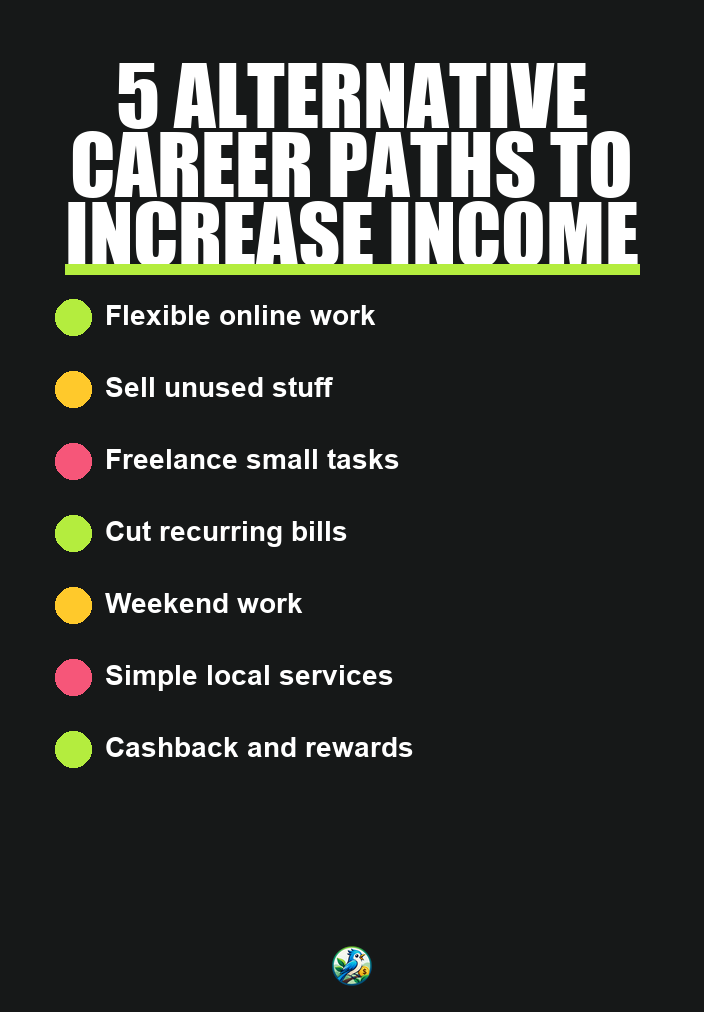
- Freelancing or Contract Work: Consider taking on freelance projects to rebuild your experience and income. This can also lead to full-time opportunities.
- Volunteer Work: Volunteering in your field can expand your network and enhance your resume, showcasing your commitment and skills.
- Informational Interviews: Request informational interviews with industry professionals to learn about their career paths and any potential job openings.
Enhancing Your Interview Skills
Once you land an interview, preparation is key. Here are some strategies to improve your interview performance:
- Research the Company: Understand the company’s culture, values, and recent developments. This will help you tailor your responses and demonstrate your interest.
- Practice Common Interview Questions: Prepare for typical questions such as “Tell me about yourself” or “What are your strengths and weaknesses?” Practice your responses to sound natural and confident.
- Prepare Questions: Have a list of questions ready to ask the interviewer. This shows your engagement and helps you determine if the company is a good fit for you.
Staying Positive and Organized
The job search process can be lengthy and sometimes disheartening. Staying positive and organized is crucial. Here are a few tips:
- Create a Job Search Schedule: Set aside specific times each week for job searching, networking, and skill development. This structure can help keep you accountable.
- Track Your Applications: Maintain a spreadsheet to track the jobs you’ve applied for, along with deadlines and follow-up dates. This will help you stay organized and prompt timely follow-ups.
- Stay Positive: Surround yourself with a support system. Share your experiences with friends or join job search groups to stay motivated and gain encouragement.
Next Steps to Take Charge of Your Job Search
Now that you’re equipped with strategies for job searching after unemployment, take the following next steps:
- Conduct your skills inventory and update your resume based on the insights gained.
- Reach out to at least three contacts in your network this week.
- Set a daily or weekly schedule for job searching, networking, and skill enhancement.
- Prepare for interviews by practicing common questions and researching potential employers.
By applying these strategies, you can navigate your job search with confidence and clarity. Remember, each step you take brings you closer to improving your financial situation and finding a job that suits your needs.