The Cost of Grocery Shopping: A Comparison of Strategies
When it comes to grocery shopping, two primary strategies often emerge: sticking to a grocery list and giving in to impulse buying. For many, the choice between these two can greatly influence monthly expenses. But which one truly saves you more money? In this article, we’ll delve into both strategies, analyze their costs and benefits, and equip you with practical tips to optimize your grocery shopping experience.
Understanding Grocery Lists
A grocery list is a systematic approach to shopping that helps you stay focused on the items you need. By creating a list, you minimize distractions and avoid purchasing unnecessary items. Here’s how to effectively use a grocery list:
1. Plan Your Meals
Start by planning your meals for the week. This gives you a clear idea of what ingredients you’ll need. Consider the following:
- Choose recipes that use similar ingredients to reduce waste.
- Incorporate versatile ingredients that can be used in multiple dishes.
2. Write Down Necessary Items
From your meal plan, write down everything you need. Be specific about quantities to avoid overbuying. For instance:
- If you need spinach, note whether you need one bag or two.
- Include staples like milk or bread that you may need, even if they’re not part of a meal plan.
3. Stick to Your List
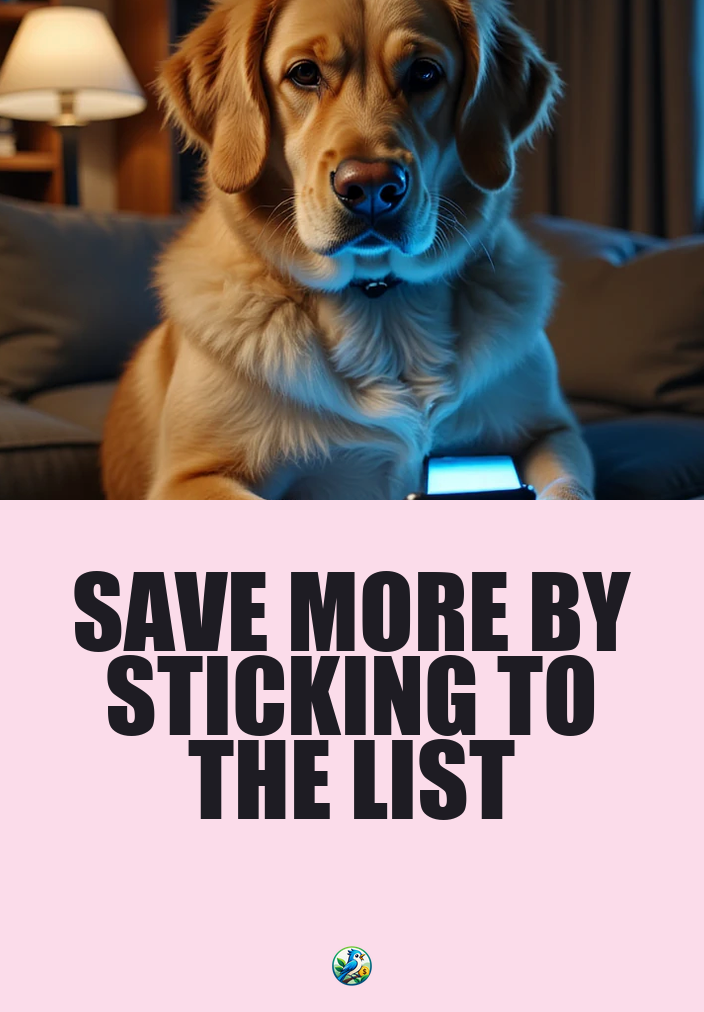
While shopping, make a conscious effort to stick to your list. This discipline helps you resist impulse buys, which can quickly add up.
The Allure of Impulse Buying
On the flip side, impulse buying refers to unplanned purchases made on a whim. Grocery stores often capitalize on this behavior by placing tempting items near the checkout or at the end of aisles. Here are some common triggers for impulse buying:
1. Discounts and Promotions
Sales can be enticing, leading you to buy items you didn’t plan for. While it feels like a bargain, consider whether you truly need the item. If you buy a large quantity of something on sale but don’t use it, it becomes a waste of money.
2. In-Store Displays
Attractive displays can lure you into buying items that catch your eye. It’s easy to justify these purchases as “just a little treat.” However, these small treats can add up quickly and derail your budget.
3. Emotional Triggers
Shopping can be an emotional experience. Stress, boredom, or even happiness might lead you to make unplanned purchases. Recognize these feelings and try to manage them before they result in unnecessary spending.
Comparing Costs: Grocery List vs. Impulse Buying
To illustrate the financial impact of these two strategies, let’s consider a hypothetical scenario:
Imagine you plan to spend $100 on groceries for the week using a grocery list. You carefully select items based on your meal plan and stick to it. In contrast, let’s say you head to the store without a list and end up spending $150 due to impulse buys.
Potential Savings with a Grocery List
By sticking to your grocery list, you could save:
- $50 on impulse buys
- Reduce food waste by only buying what you need
Hidden Costs of Impulse Buying
Impulse buying can lead to several hidden costs:
- Buying items that expire before you use them.
- Purchasing duplicates of items you already have.
- Increasing your grocery budget over time due to unplanned spending.
Strategies to Minimize Impulse Buying
If you recognize that impulse buying is a challenge for you, here are some strategies to help:
1. Create a Shopping List Template
Have a reusable template for your grocery list. This can save time and help you remember necessities. Consider keeping it on your phone for easy access.
2. Use the 24-Hour Rule
When you see something you want to purchase but didn’t plan for, wait 24 hours. This gives you time to consider whether it’s a necessary purchase.
3. Set a Budget
Establish a clear grocery budget each month. Track your spending to see how close you are to your limit. This accountability can deter impulse buys.
4. Avoid Shopping When Hungry
Shopping on an empty stomach can lead to more impulse buys. Always eat before heading to the store to help you stick to your list.
Final Thoughts: Which Strategy Saves You More Money?
Ultimately, a grocery list is the more effective strategy for saving money compared to impulse buying. While there may be moments of pleasure in spontaneous purchases, these often result in budget overruns and food waste. By planning ahead and sticking to your list, you’re likely to see significant savings over time.
Next Steps to Optimize Your Grocery Shopping
1. Start meal planning: Dedicate an hour each week to plan your meals.
2. Create your grocery list based on your plan and stick to it.
3. Monitor your spending to identify patterns and adjust your strategy as needed.
By implementing these strategies, you’ll not only save money but also create healthier eating habits and reduce food waste. Happy shopping!