Smart Budgeting Techniques for Job Seekers
Job seeking can often feel like a full-time job in itself, leaving many people in precarious financial situations. As you navigate the job market, it’s essential to keep your finances in check. Smart budgeting can help you manage your expenses, reduce stress, and give you the freedom to focus on finding the right job. Here are some practical budgeting techniques tailored for job seekers.
Assess Your Current Financial Situation
Before you dive into budgeting, take a moment to evaluate where you stand financially. This will give you a clearer picture of what your needs are.
Track Your Income and Expenses
Begin by listing all your sources of income. This could be unemployment benefits, side gigs, or savings. Next, track your expenses for at least a month. This includes fixed costs like rent and utilities, as well as variable costs such as groceries and entertainment.
- Use budgeting apps or spreadsheets to keep everything organized.
- Divide your expenses into categories: essentials and non-essentials.
Calculate Your Burn Rate
Your burn rate is the rate at which you’re spending money. Understanding this can help you determine how long your current resources will last. Calculate how much you spend each month and compare this with your income to see how long you can sustain your lifestyle without a job.
Create a Realistic Budget
Once you have a clear understanding of your finances, it’s time to create a budget that reflects your current situation. This will help you prioritize your spending.
Set Clear Financial Goals
Establish short-term and long-term financial goals. Short-term goals could be saving for essential expenses in the next few months, while long-term goals might include paying off debt or saving for further education.
Use the 50/30/20 Rule
A practical budgeting method is the 50/30/20 rule:
- 50% on Needs: Allocate half of your income to essentials, such as rent, utilities, groceries, and healthcare.
- 30% on Wants: Spend up to 30% on non-essentials, including entertainment, dining out, and hobbies.
- 20% on Savings and Debt Repayment: Use the remaining 20% to build your savings or pay down any existing debt.
Cutting Unnecessary Expenses
When job seeking, every dollar counts. Review your expenses and identify areas where you can cut back.
Evaluate Subscription Services
Take a hard look at any subscription services you’re paying for. If you don’t use them regularly, consider canceling or pausing them until you’re in a better financial position.
Grocery Shopping Smartly
Food can be one of the biggest expenses. Here are a few tips:
- Plan your meals for the week and stick to your grocery list.
- Look for sales and use coupons, but only for items you genuinely need.
- Consider buying in bulk for non-perishable items.
Limit Dining Out
Eating out can quickly add up. Aim to cook at home more often. Invite friends over for a potluck instead of going out, which can be both fun and cost-effective.
Finding Additional Income Streams
While you’re searching for a full-time job, consider ways to bring in extra income.
Freelancing or Gig Work
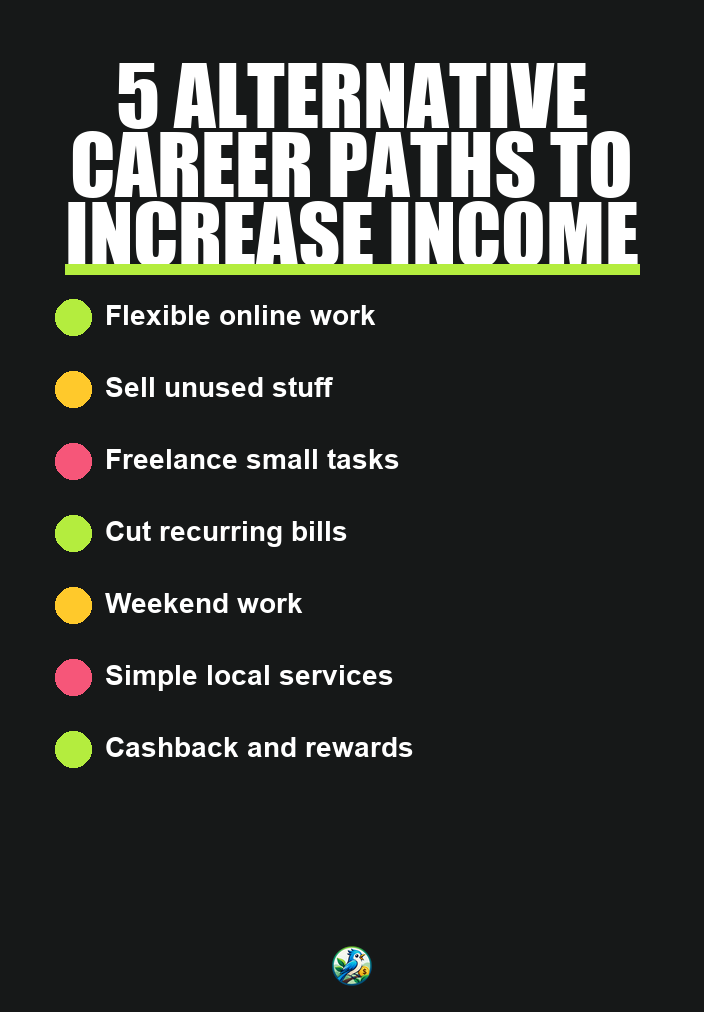
Freelancing can be a flexible way to earn money. Websites offer platforms where you can find short-term gigs that match your skills. Even a few hours a week can help ease financial pressure.
Sell Unused Items
Take stock of items you no longer need. Selling clothes, gadgets, or furniture can provide a quick cash influx. Use online marketplaces or local selling groups.
Stay Motivated and Keep Learning
The job search can be a long and sometimes discouraging process. Staying motivated is crucial. Budgeting can help you feel more in control of your finances, which can positively impact your job search.
Invest in Yourself
Consider using part of your budget for professional development. Online courses or workshops can enhance your skills and make you more marketable.
Network Effectively
Networking doesn’t have to be expensive. Attend local events, join online communities, and leverage social media to connect with industry professionals. Many of these opportunities are free and can lead to job leads.
Next Steps
Now that you have a blueprint for smart budgeting as a job seeker, take action:
- Assess your current financial situation and create a budget.
- Identify and cut unnecessary expenses.
- Look for additional income opportunities.
- Stay focused and motivated in your job search.
By implementing these budgeting techniques, you’ll not only manage your finances better but also empower yourself to focus more on securing the job you want. Remember, while the job market can be challenging, a solid financial strategy can make a significant difference.