Understanding the Impact of Resume Mistakes
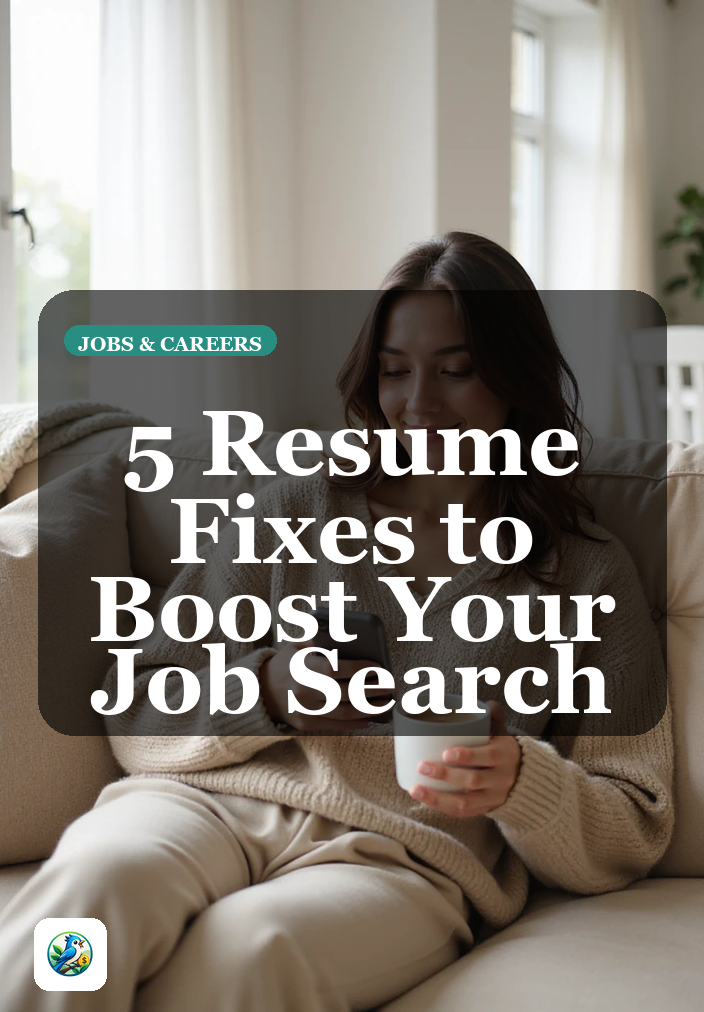
Your resume is often the first impression you make on potential employers. It can open doors to interviews or close them just as quickly. Unfortunately, common resume mistakes can hurt your job search and make you miss out on opportunities. In this article, we will identify these mistakes and provide you with actionable steps to fix them, ensuring your resume stands out for the right reasons.
1. Lack of Tailoring for Specific Job Applications
One of the most common mistakes is submitting a generic resume for every job application. Employers can spot a template resume from a mile away, and it often results in your application being overlooked.
How to Tailor Your Resume
- Analyze the Job Description: Identify keywords and phrases that the employer uses. These often reflect the skills and qualifications they prioritize.
- Match Your Skills: Adjust your skills section to ensure it highlights relevant experience that directly correlates with the job requirements.
- Customize Your Summary: Write a brief summary at the top of your resume that emphasizes your most relevant experiences and achievements for that specific role.
2. Overloading with Irrelevant Information
Including too much information can dilute the impact of your resume. Employers typically spend only a few seconds scanning each resume, so you need to make every word count.
What to Include and What to Leave Out
- Focus on Relevant Experience: Limit your work history to the most relevant positions. If you have extensive experience, consider only including the last 10-15 years.
- Omit Outdated Skills: Skills that are no longer in demand should be removed. For example, if you list Microsoft Word, consider removing it unless the job specifically requires it.
- Skip Personal Details: Information like your age, marital status, or a photo is unnecessary and can even lead to bias.
3. Poor Formatting and Readability
A cluttered or overly complicated resume format can confuse hiring managers. A clear, easy-to-read resume allows employers to quickly gather the information they need.
Tips for Effective Formatting
- Keep It Simple: Use standard fonts like Arial or Times New Roman, and avoid overly decorative designs. A clean layout is more professional.
- Use Bullet Points: Instead of dense paragraphs, use bullet points to list accomplishments and responsibilities. This enhances readability.
- Consistent Styling: Ensure headings, fonts, and bullet styles are consistent throughout the document.
4. Spelling and Grammar Errors
Typos and grammatical mistakes can create a negative impression about your attention to detail. Many hiring managers may dismiss your application based on these errors alone.
How to Ensure Accuracy
- Proofread Multiple Times: Read your resume several times. Errors can often go unnoticed on the first pass.
- Use Tools: Consider using spelling and grammar checking tools, or have someone else review your resume for a fresh perspective.
- Read Aloud: Sometimes, hearing the words can help you catch mistakes that you might not see when reading silently.
5. Vague Job Descriptions
Using vague language in your job descriptions can leave employers uncertain about your actual achievements and responsibilities. Specificity helps convey your value better.
How to Write Impactful Job Descriptions
- Quantify Achievements: Whenever possible, use numbers to highlight your accomplishments. For example, “Increased sales by 30% over two quarters” is more impactful than “Responsible for sales.”
- Use Action Verbs: Start each bullet point with a strong action verb like “developed,” “managed,” or “implemented” to convey a sense of accomplishment.
- Focus on Outcomes: Describe not only what you did but also the impact it had on the company or your team.
6. Not Including Relevant Keywords
Many employers use Applicant Tracking Systems (ATS) to filter resumes before they even reach human eyes. Not including relevant keywords can result in your resume being overlooked.
How to Optimize for ATS
- Identify Keywords: Use the job description to find keywords that are essential for the role. These can be skills, qualifications, or specific software names.
- Incorporate Naturally: Integrate these keywords into your resume in a way that feels natural. Avoid stuffing keywords, as this can harm readability.
- Use Standard Headings: Stick to conventional section titles like “Work Experience” and “Education” so the ATS can categorize your information correctly.
7. Ignoring the Importance of a Cover Letter
Many job seekers neglect to submit a cover letter, thinking it’s an outdated practice. However, a well-written cover letter can enhance your application and provide context to your resume.
What to Include in Your Cover Letter
- Introduction: Briefly introduce yourself, mentioning the position you are applying for.
- Connection to the Company: Explain why you’re interested in the company and how your values align with theirs.
- Highlight Key Achievements: Pick one or two key achievements from your resume that showcase your fit for the position.
Next Steps for a Stronger Resume
Fixing resume mistakes is a vital step in your job search. Start by revising your current resume with the tips outlined above. Take the time to tailor it for each application, focusing on clarity, relevance, and professionalism. Remember to proofread thoroughly and consider sharing it with a trusted friend or mentor for feedback.
Your resume is a reflection of your professional self. By addressing common mistakes, you can increase your chances of landing that interview and ultimately securing the job you want. Keep refining your approach, and don’t hesitate to seek help if needed.