Understanding the Job Search Landscape After Unemployment
Job searching after a period of unemployment can feel overwhelming. The gap in your resume may raise questions for potential employers, and you might face feelings of self-doubt. However, avoiding common pitfalls can make a significant difference in your job search success. Here’s a practical guide to navigating this challenging landscape effectively.
Recognizing the Emotional Toll
Before diving into the logistics of job searching, it’s essential to acknowledge the emotional aspect. Being unemployed can lead to stress, anxiety, and decreased confidence. Here are a few strategies to manage these feelings:
- Set a Routine: Establish a daily schedule that includes time for job searching, skill development, and self-care.
- Network with Supportive People: Surround yourself with friends, family, or support groups who understand what you’re going through.
- Practice Self-Compassion: Accept that searching for a job can take time and that setbacks are part of the process.
Common Pitfalls to Avoid in Your Job Search
1. Neglecting Your Resume and Cover Letter
Your resume and cover letter are often your first impression. A common mistake is using a generic template without tailoring it to the specific job. Here’s how to avoid this pitfall:
- Customize for Each Job: Highlight experiences and skills that align with the job description. Use keywords from the posting to make your application stand out.
- Keep It Concise: Aim for a one-page resume unless you have extensive experience. Be clear and to the point.
- Proofread: Spelling and grammatical errors can be a red flag. Double-check your documents before sending them out.
2. Overlooking Networking Opportunities
Many job seekers underestimate the power of networking. It’s not just about attending formal events; it’s about building relationships. Here’s how to enhance your networking:
- Use Social Media: Platforms like LinkedIn can connect you with industry professionals. Share your job search journey and engage with others.
- Informational Interviews: Reach out to people in your desired field and ask for a brief conversation about their career path. This can lead to job leads.
- Follow Up: After meeting someone new, send a thank-you message and keep the conversation going. This can help build a lasting professional relationship.
3. Applying for Every Job Without Strategy
While it might be tempting to apply to every open position, a scattergun approach can waste time and lead to frustration. Instead, focus on a strategic approach:
- Identify Your Goals: Know what type of job you’re looking for. Consider industry, role, and company culture.
- Research Companies: Look for organizations that align with your values and career goals. Tailor your applications to reflect your interest in those companies.
- Limit Applications: Aim for quality over quantity. Apply for jobs that genuinely interest you and where you meet the qualifications.
4. Ignoring Skill Development
The job market often requires new skills, especially in a rapidly changing environment. Don’t fall into the trap of believing you’re ready without continuous learning. Here’s how to keep your skills sharp:
- Take Online Courses: Many platforms offer free or low-cost courses in various fields. Consider skills relevant to your desired job.
- Volunteer: Gaining experience through volunteer work can help you acquire new skills while filling gaps in your resume.
- Attend Workshops: Local community centers or online webinars often provide valuable training sessions.
5. Failing to Prepare for Interviews
Interviews can be intimidating, but preparation is key. Many candidates overlook essential steps that can help them perform better. Here are some tips:
- Research the Company: Understand their mission, values, and recent achievements. This knowledge can help you answer questions more effectively.
- Practice Common Questions: Prepare answers for frequently asked interview questions and practice your delivery with a friend or in front of a mirror.
- Prepare Questions: Have thoughtful questions ready to ask the interviewer. This shows your interest and engagement.
Managing Your Finances During Unemployment
While searching for a job, it’s crucial to keep your finances in check. Here are some tips to manage your budget during this time:
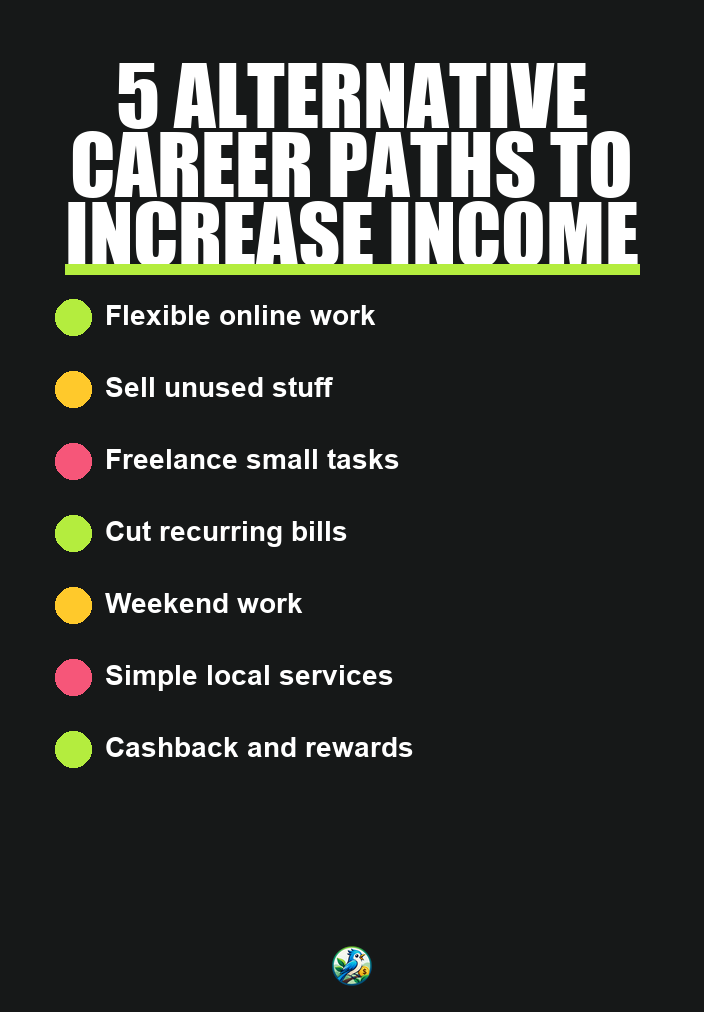
- Review Your Expenses: Identify non-essential expenses that can be cut. This can help stretch your funds until you find employment.
- Explore Unemployment Benefits: If eligible, apply for unemployment benefits to provide some financial relief.
- Consider Part-Time Work: If possible, take on part-time work or freelance gigs. This can help keep your skills sharp and provide extra income.
Next Steps for a Successful Job Search
Job searching after unemployment can be daunting, but with the right strategies, you can navigate this phase more effectively. Here’s a quick action plan:
- Update and tailor your resume and cover letter for each application.
- Engage in networking both online and offline.
- Apply strategically to jobs that align with your career goals.
- Invest time in skill development to stay competitive.
- Prepare thoroughly for interviews and manage your finances wisely.
By avoiding common pitfalls and focusing on practical steps, you can enhance your chances of landing a fulfilling job. Stay positive, proactive, and persistent in your efforts. Good luck!