Understanding the Job Search Mindset After Unemployment
Experiencing unemployment can be a daunting challenge, but mastering the job search process can make a significant difference in your financial situation. It’s essential to shift your mindset from feeling defeated to one of determination and strategy. Rather than seeing unemployment as a setback, frame it as an opportunity to reassess your career goals and take a fresh approach to your job search.
Assessing Your Skills and Career Goals
The first step in the job search process is to evaluate your skills and determine your career aspirations. This assessment will help you identify the types of roles you want to pursue and where your strengths lie.
1. Identify Your Skills
- Technical Skills: List out any technical skills you have acquired through past jobs, education, or personal projects.
- Soft Skills: Highlight skills like communication, teamwork, and problem-solving that are valuable in any role.
- Transferable Skills: Consider skills that can apply to different industries, such as project management or customer service.
2. Define Your Career Goals
Think about where you want to be in your career. Ask yourself:
- What industries interest me?
- What type of work-life balance am I looking for?
- What are my salary expectations?
Document these goals to create a clear vision of your job search direction.
Building a Professional Resume and Cover Letter
Your resume and cover letter are your first impressions with potential employers. They need to be tailored to highlight your skills and experiences effectively.
1. Crafting Your Resume
Focus on clarity and conciseness. Here are some tips:
- Use a Clean Format: Stick to standard fonts and clear headings.
- Highlight Achievements: Instead of just listing responsibilities, use quantifiable achievements. For example, “Increased sales by 20% within six months.”
- Customize for Each Job: Tailor your resume for each application to match the job description closely.
2. Writing Your Cover Letter
Your cover letter should complement your resume. Keep it brief and focused on why you’re the right fit for the role. Include:
- Your enthusiasm for the position.
- How your skills align with the company’s needs.
- A personal anecdote that shows your passion or relevant experience.
Utilizing Job Search Platforms Effectively
Finding job openings requires knowing where to look. Many online platforms can help you discover opportunities.
1. Job Boards
While generic job boards are helpful, consider niche job boards specific to your industry. Set up job alerts to receive notifications when new positions are posted.
2. Networking
Don’t underestimate the power of networking. Reach out to former colleagues, attend industry events, and connect with people on professional networking sites. Here are some strategies:
- Informational Interviews: Request meetings with professionals in your desired field to gain insights and advice.
- Networking Events: Attend local meetups or online webinars related to your industry.
- Social Media: Use platforms to engage with industry leaders and participate in discussions.
Preparing for Job Interviews
1. Research the Company
Understand the company’s mission, culture, and recent developments. This knowledge will help you tailor your responses and ask insightful questions.
2. Practice Common Interview Questions
Prepare answers for common interview questions such as:
- “Tell me about yourself.”
- “What are your strengths and weaknesses?”
- “Why do you want to work here?”
Consider conducting mock interviews with a friend or using online resources to practice.
3. Prepare Your Questions
At the end of the interview, you’ll likely have the opportunity to ask questions. Prepare thoughtful questions that demonstrate your interest in the role and company.
Following Up After Interviews
After an interview, follow up with a thank-you email. This simple gesture can set you apart from other candidates. Here’s what to include:
- Thank the interviewer for their time.
- Reiterate your interest in the position.
- Briefly mention a key point from the interview that reinforces your fit for the role.
Managing Finances During Unemployment
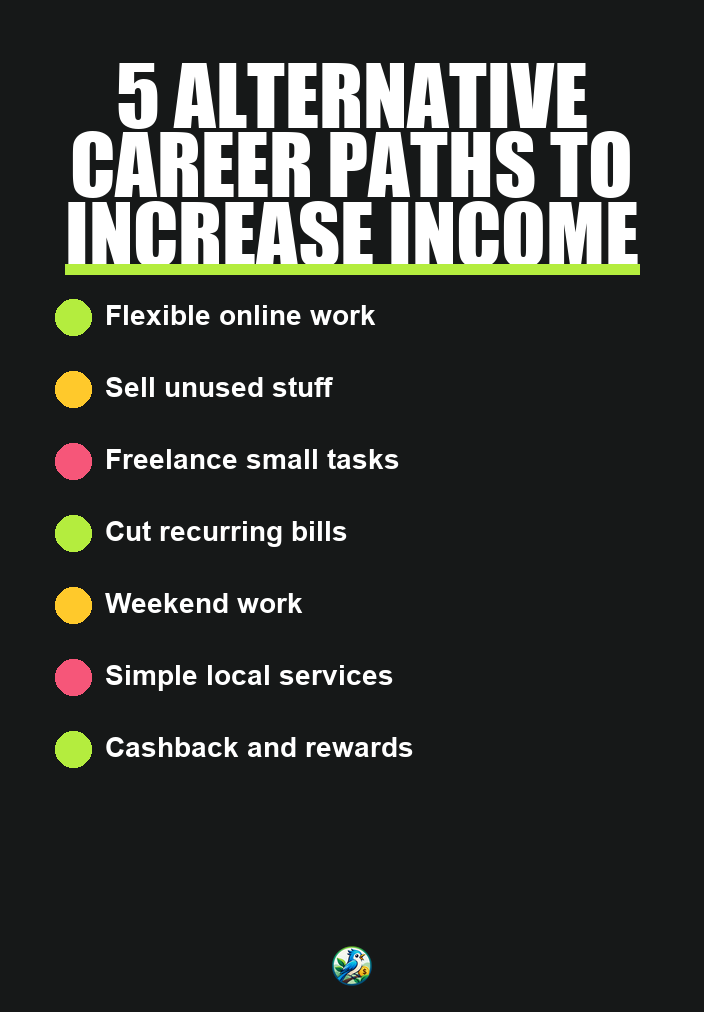
While you’re searching for a new job, managing your finances is crucial. Here are some tips to help you stay afloat:
1. Create a Budget
List your essential expenses and income sources. This budget will help you identify areas where you can cut back. Consider using budgeting apps or spreadsheets to track your spending.
2. Explore Temporary Work
If you find yourself in a tight financial situation, consider temporary or part-time work. This can provide some income while you continue your job search.
3. Understand Unemployment Benefits
Research your eligibility for unemployment benefits. These can provide financial assistance while you look for a new job, but be mindful of the application process and requirements.
Next Steps to Master Your Job Search
Mastering the job search process after unemployment involves a strategic approach. Start by assessing your skills and career goals, then create a tailored resume and cover letter. Utilize job search platforms effectively, prepare for interviews, and manage your finances wisely during this transition.
By following these steps and maintaining a proactive mindset, you can navigate the job market successfully and secure a position that aligns with your goals.