Assess Your Financial Situation
The first step after becoming unemployed is to take a good, hard look at your financial situation. Understanding where you stand financially will help you make informed decisions moving forward.
Calculate Your Monthly Expenses
Start by listing all your monthly expenses. This includes rent or mortgage, utilities, groceries, transportation, and any debt payments. Be thorough and realistic. You want to know the minimum amount you need each month to stay afloat.
- Housing: Rent or mortgage payment
- Utilities: Electricity, water, gas, internet
- Groceries: Average monthly food costs
- Transportation: Gas, public transit, or car payments
- Insurance: Health, car, or renter’s insurance
- Debt Payments: Credit cards, student loans, etc.
Once you have this total, compare it to your savings. This will give you a clear picture of how long you can sustain yourself without a job.
Identify Areas to Cut Back
If your expenses exceed your savings or if you want to extend your financial runway, consider trimming unnecessary costs.
- Cancel or pause subscriptions (streaming services, gym memberships)
- Limit dining out and takeout
- Shop sales or use coupons for groceries
- Reduce utility usage (turn off lights, unplug devices)
Every little bit helps, and cutting back can make a significant difference in how long your savings will last.
File for Unemployment Benefits
If you haven’t done so already, consider filing for unemployment benefits. These programs are designed to help individuals who have lost their jobs through no fault of their own. The process varies by location, but here are some general steps:
- Gather necessary documents: Social Security number, work history, and reason for unemployment.
- Visit your local unemployment office or their website to file a claim.
- Be honest and accurate in your application to avoid delays.
- Stay updated on your claim status and respond promptly to any inquiries.
While this may not replace your full income, it can provide some financial relief while you search for your next opportunity.
Update Your Resume and LinkedIn Profile
Once you’ve managed the immediate financial concerns, it’s time to focus on your job search. Start by updating your resume and LinkedIn profile. This may seem basic, but it’s essential to present yourself well.
Resume Tips
- Highlight relevant skills and experiences that match the types of jobs you are targeting.
- Use quantifiable achievements to showcase your impact in previous roles.
- Keep it concise—ideally one page, but two is acceptable for extensive experience.
- Customize your resume for each application to align with job descriptions.
LinkedIn Profile Enhancements
- Ensure your profile picture is professional.
- Write a compelling summary that reflects your skills and career aspirations.
- Engage with content relevant to your industry to increase visibility.
- Connect with former colleagues and industry peers for networking opportunities.
Having an updated resume and LinkedIn profile can make it easier to apply for jobs and be approached by recruiters.
Network and Reach Out
Networking is one of the most effective ways to find job opportunities. Many jobs are filled through referrals, so don’t shy away from reaching out.
Who to Contact
- Former colleagues and supervisors
- Friends and family members who may know of job openings
- Networking groups or industry associations
- Alumni networks from your college or university
Send a friendly email or message explaining your situation and expressing your interest in new opportunities. Make sure to be specific about what types of roles you’re looking for.
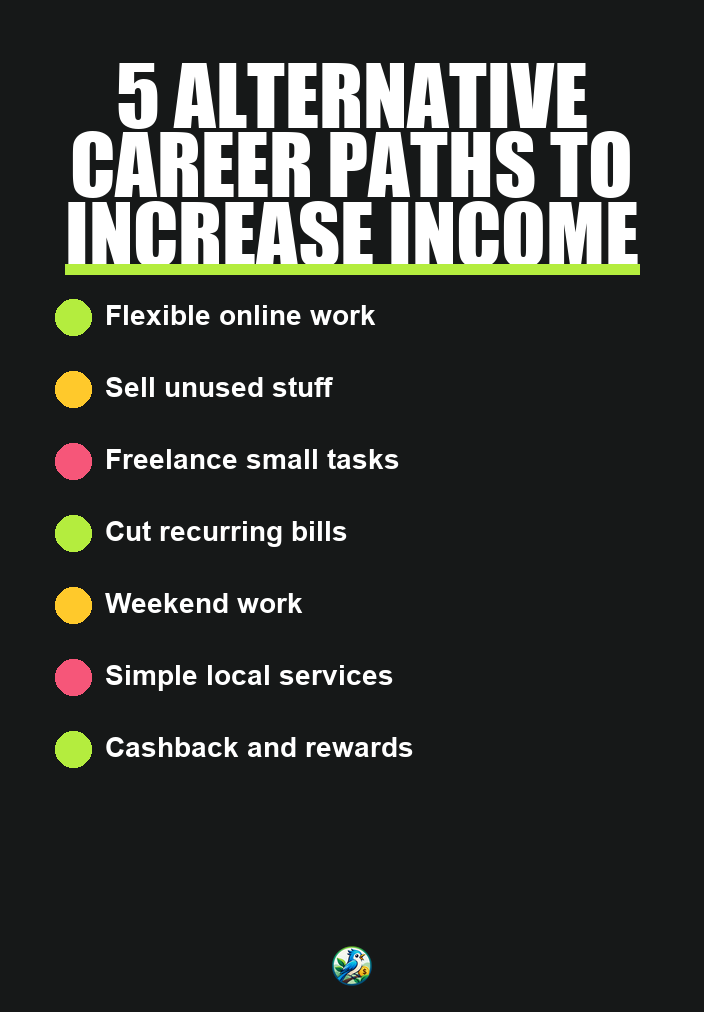
Consider Temporary or Part-Time Work
While searching for a full-time job, consider taking on temporary or part-time work. This can help bridge the financial gap while you look for something more permanent.
Types of Temporary Work
- Freelancing: Leverage your skills in writing, graphic design, or consulting.
- Gig economy: Consider apps for driving, delivery, or short-term tasks.
- Seasonal jobs: Retail or hospitality jobs may have openings during busy seasons.
Temporary work can provide immediate income and may even lead to full-time opportunities.
Stay Positive and Organized
Job searching can be stressful, and maintaining a positive mindset is crucial. Here are some practical tips to keep you focused:
- Set daily job search goals—aim for a specific number of applications each day.
- Create a dedicated workspace free from distractions.
- Establish a routine to keep your day structured and productive.
- Take breaks to recharge and avoid burnout.
Staying organized will not only reduce anxiety but also increase your chances of finding a new job.
Next Steps After Unemployment
After becoming unemployed, it’s essential to take a multi-faceted approach. Start by assessing your financial situation and cutting back on expenses. File for unemployment benefits, update your resume and LinkedIn profile, network diligently, and consider temporary work to ease financial strain. Above all, maintain a positive and organized approach to your job search.
Finally, remember that being unemployed is not a reflection of your worth. It’s a temporary situation, and with persistence, you’ll find the right opportunity that suits your skills and aspirations.