Understanding Overtime Opportunities in Your Job Search
Looking for a job that offers overtime opportunities can significantly boost your income. However, before diving into the search, it’s vital to understand what overtime entails and how it can impact your work-life balance and overall job satisfaction. Here’s what you need to know to make informed decisions.
What is Overtime?
Overtime refers to the hours worked beyond your standard work schedule, typically over 40 hours a week in the U.S. These additional hours are often compensated at a higher rate—usually time and a half or even double time, depending on your employer’s policies and state laws. Understanding the specific overtime rules in your area is essential as they can vary widely.
Types of Jobs with Overtime Opportunities
Not all jobs offer overtime, and the potential for extra hours varies across industries. Here are some fields that commonly provide overtime options:
- Healthcare: Nurses, doctors, and emergency responders often have unpredictable hours, making overtime common.
- Manufacturing: Many manufacturing jobs require employees to work extra hours to meet production demands.
- Transportation: Truck drivers and delivery personnel frequently work overtime, especially during peak seasons.
- Hospitality: Hotels and restaurants often require staff to work extra shifts during busy periods.
- Construction: Projects often run behind schedule, leading to mandatory overtime to meet deadlines.
Evaluating the Overtime Pay Structure
Before accepting a job, clarify how overtime is compensated. Here are some key factors to consider:
- Overtime Rate: Confirm if the pay is time and a half, double time, or another structure. This can make a significant difference in your earnings.
- Eligibility: Some companies have specific criteria for which employees qualify for overtime pay. Ensure you understand these rules.
- Approval Process: Some employers require pre-approval for overtime. Know how this process works to avoid misunderstandings later.
Impact on Work-Life Balance
While overtime can enhance your paycheck, it’s crucial to weigh the impact on your personal life. Here are points to ponder:
- Time Commitment: Consider how much time you are willing to dedicate to work versus personal life. Overtime can lead to burnout if not managed carefully.
- Family and Social Life: Extra hours can disrupt family time and social activities. Be honest with yourself about how this may affect your relationships.
- Physical and Mental Health: Long hours can take a toll. Pay attention to your health and ensure you’re not sacrificing well-being for extra income.
Researching Potential Employers
When looking for jobs with overtime opportunities, research potential employers carefully. Here are steps to follow:
- Read Reviews: Check employee reviews on job platforms. Look for comments about work-life balance and overtime experiences.
- Ask During Interviews: Don’t hesitate to ask potential employers about their overtime policies during interviews. This shows you’re serious about balancing work and life.
- Network: Talk to current or former employees. They can provide insights into the company culture and how overtime is handled.
Calculating Overtime Potential
To assess how much extra income you might earn through overtime, consider this simple calculation:
- Hourly Wage: $20
- Overtime Rate: $30 (time and a half for hours over 40)
- Regular Hours: 40 hours
- Overtime Hours Worked: 10 hours
Calculation:
Regular Pay: 40 hours x $20 = $800
Overtime Pay: 10 hours x $30 = $300
Total Pay for the Week: $800 + $300 = $1,100
This example shows how overtime can significantly increase your weekly income. However, be realistic about how many overtime hours you can commit to without sacrificing other responsibilities.
Alternatives to Overtime Work
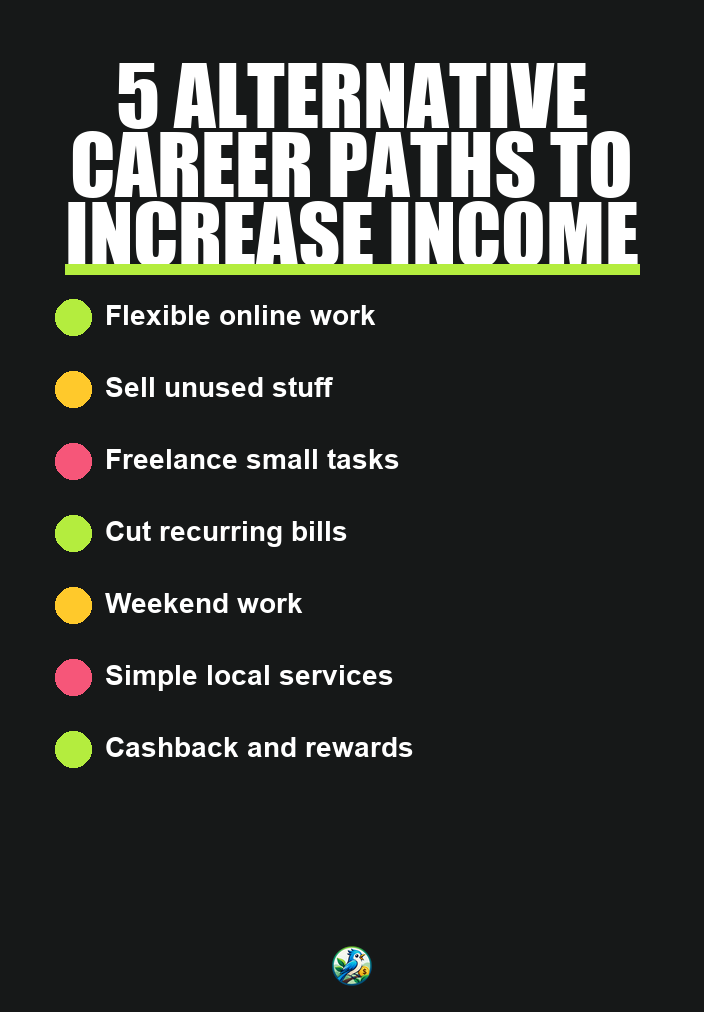
If you find that the potential for overtime isn’t appealing or practical, consider other ways to increase your income:
- Part-Time Work: Look for part-time gigs in addition to your primary job.
- Freelancing: Utilize skills you have outside your regular job to earn extra money.
- Side Businesses: Consider starting a small business based on a hobby or interest.
Next Steps for Your Job Search
Now that you have a clearer picture of what to consider before seeking jobs with overtime opportunities, here are some practical next steps:
- Define your financial goals. Understand how much extra income you need.
- Update your resume and online profiles to reflect skills relevant to high-overtime jobs.
- Begin researching companies and industries that typically offer overtime.
- Prepare for interviews by formulating questions about overtime policies and company culture.
By taking these steps, you’ll be better positioned to find a job that meets your financial needs without compromising your work-life balance.